

2026 Florida Roof Inspection Guide for Insurance
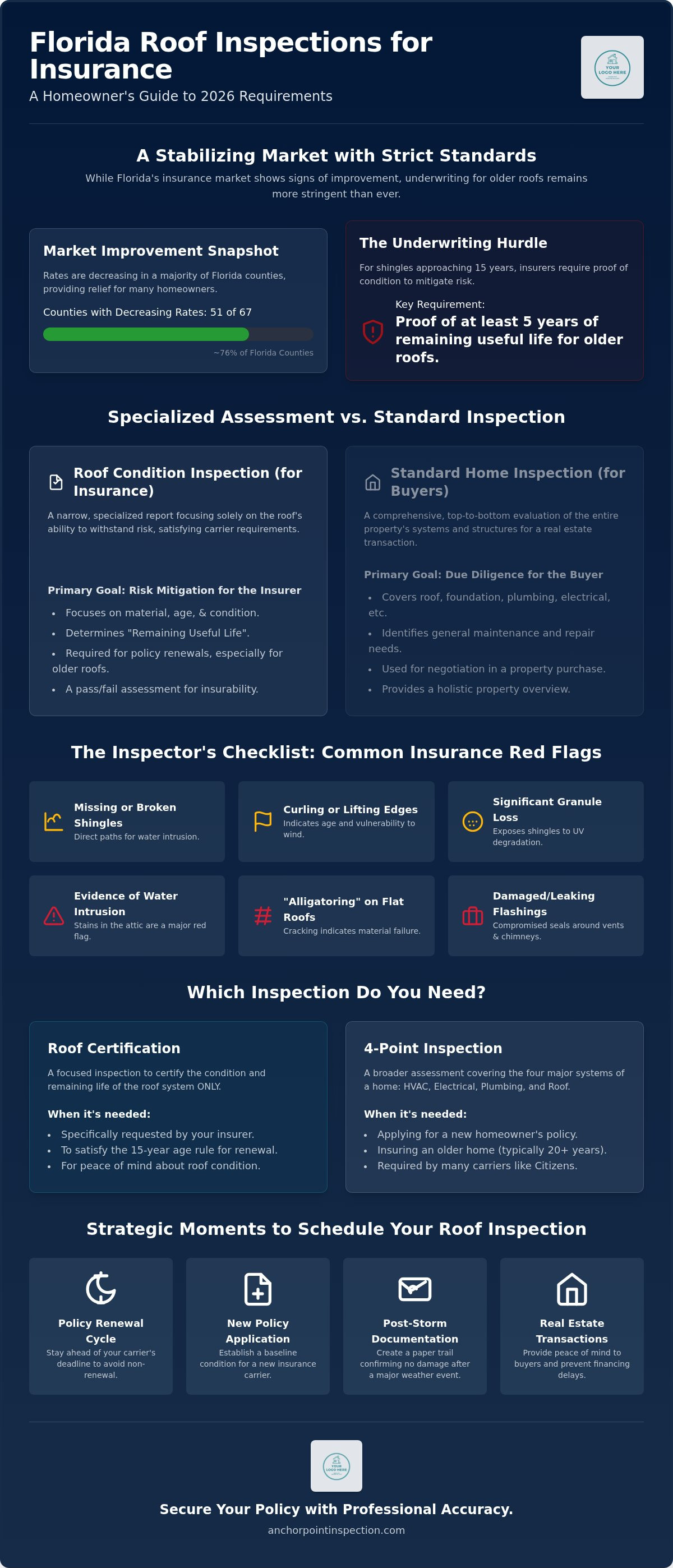
Could a single document be the difference between keeping your home insurance and facing a sudden non-renewal notice? In 2026, Florida's insurance market is finally showing signs of stabilization, with rates decreasing in 51 of our 67 counties, but underwriting remains as strict as ever. If your shingles are approaching the 15-year mark, your carrier likely requires a formal roof condition inspection for insurance to prove the system has at least five years of life left. It's a high-stakes moment that often leaves homeowners feeling caught between complex state regulations and the fear of a massive, unnecessary replacement bill.
We understand that the distinction between a standard home assessment and a specialized roof certification can feel like a moving target. You shouldn't have to guess whether your documentation will satisfy an auditor or if you're overpaying for coverage you've already earned. This guide will walk you through exactly what insurers look for in a 2026 report and how to secure your policy with professional accuracy. We'll explore the updated Wind Mitigation forms, the specifics of the 15-year rule, and the practical steps you can take to verify your roof's remaining life while keeping your premiums affordable.
Table of Contents
What is a Roof Condition Inspection for Insurance?
A roof condition inspection for insurance is a specialized assessment designed to provide your insurance carrier with a clear picture of your roof's current state. This isn't a broad evaluation of your entire property. Instead, it focuses exclusively on three critical factors: the roofing material, its chronological age, and its remaining useful life. While you might be familiar with the general scope of What is a Home Inspection?, an insurance-specific report is much narrower. Its primary purpose is risk mitigation. Carriers use this document to confirm that your home's first line of defense is sturdy enough to prevent water intrusion, which is the leading cause of expensive interior claims in Florida.
In our state, this inspection is essentially mandatory for any homeowner with a roof approaching or exceeding 15 years of age. It serves as a professional certification that your roof is an asset, not a liability. By providing this documentation, you're giving the insurer the evidence they need to maintain your coverage. Without it, many private carriers in 2026 will simply decline to renew a policy, viewing an uncertified older roof as too high of a financial risk.
Why Florida Insurers Require Roof Reports
Florida's climate is notoriously demanding. Between the intense UV exposure that degrades shingles and the annual pressure of hurricane season, roofs here age faster than in other parts of the country. Insurers are acutely aware of this reality. A roof that is nearing the end of its life is significantly more likely to fail during a tropical storm, leading to massive losses from wind-driven rain.
Because of these risks, the Florida Office of Insurance Regulation has established standards that allow carriers to require these reports for older systems. If an inspection reveals significant wear or if the roof is 15 years or older, the report must typically show at least five years of remaining useful life to satisfy underwriting requirements. Proving your roof is in good health is the most effective way to avoid premium spikes or the stress of a non-renewal notice.
When to Schedule Your Inspection
Knowing when to call an inspector can help you stay ahead of your carrier's deadlines. You'll most often need this service during your annual renewal cycle or when you're shopping for a new policy with a private carrier. However, there are other strategic moments to document your roof's condition.
Policy Applications: If you're moving from Citizens Property Insurance to a private carrier, a fresh inspection is almost always required to establish a baseline for the new company.
Post-Storm Documentation: After a major weather event, having a professional confirm that your roof has "no damage" creates a vital paper trail. This can be invaluable if you need to file a claim for a different event later on.
Real Estate Transactions: If you're selling your home, providing a certified roof report gives potential buyers peace of mind and can prevent a deal from falling through during the financing stage.
The Insurance Checklist: What Inspectors Look For
When an inspector arrives to perform a roof condition inspection for insurance, they follow a methodical process to identify specific "deal breakers" that carriers find unacceptable. The most immediate concerns involve visible deterioration that suggests a high risk of failure during a storm. We look for missing or broken shingles, significant curling at the edges, and heavy granule loss. On flat roofs, we check for "alligatoring," which is a pattern of cracking that indicates the material has lost its flexibility. For metal roofs, we focus on rust levels and the security of the fasteners. Every penetration point, such as plumbing boots and chimney flashings, must be properly sealed to prevent water from creeping behind the roofing material.
These technical details are monitored closely by the Florida Office of Insurance Regulation to ensure that insurers are using fair and consistent standards when evaluating your home. If you're unsure about the current state of your shingles, scheduling a professional Roof Certification can provide the clarity you need before your renewal date arrives.
Age vs. Condition: The Shingle Reality
In coastal areas like Panama City and Lynn Haven, the visual age of a roof often tells a different story than the permit date. Salt air and high winds can accelerate wear, making a 12-year-old roof look much older than one located further inland. Granule loss refers to the shedding of the protective mineral coating on shingles, which exposes the underlying asphalt to damaging UV rays and accelerates material breakdown. While the permit date establishes the legal age of the system, insurers prioritize the physical condition. If your roof shows minimal wear despite its age, a professional report can sometimes help you secure coverage that a computer algorithm might otherwise flag for non-renewal.
Attic and Secondary Water Barriers
A thorough evaluation doesn't stop at the roofline. We must enter the attic space to look for evidence that the exterior surface has already failed. Active leaks, water staining on rafters, or damp insulation are clear indicators of trouble. This part of the process is closely linked to a detailed attic and crawlspace inspection, which helps us verify the presence of secondary water barriers. These barriers are essential for modern Florida homes because they provide a second layer of protection if the shingles are blown away.
We also check for proper ventilation. Without adequate airflow, attic temperatures can soar, effectively "baking" your shingles from the inside out and causing them to become brittle prematurely. By documenting that your attic is dry and well-ventilated, we provide the insurer with a complete picture of a well-maintained, low-risk home. This comprehensive approach is exactly what's needed to pass a modern roof condition inspection for insurance with confidence.
Roof Certification vs. 4-Point Inspection: Key Differences
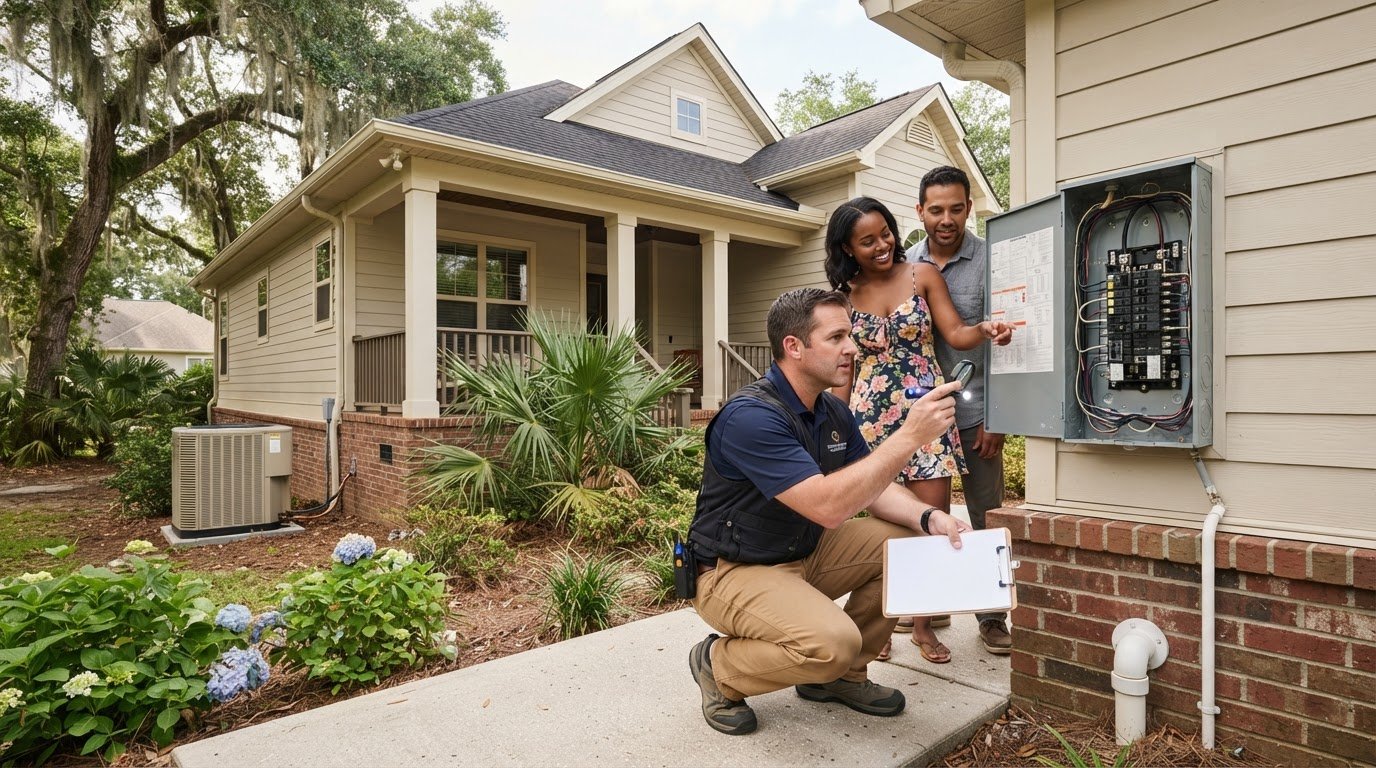
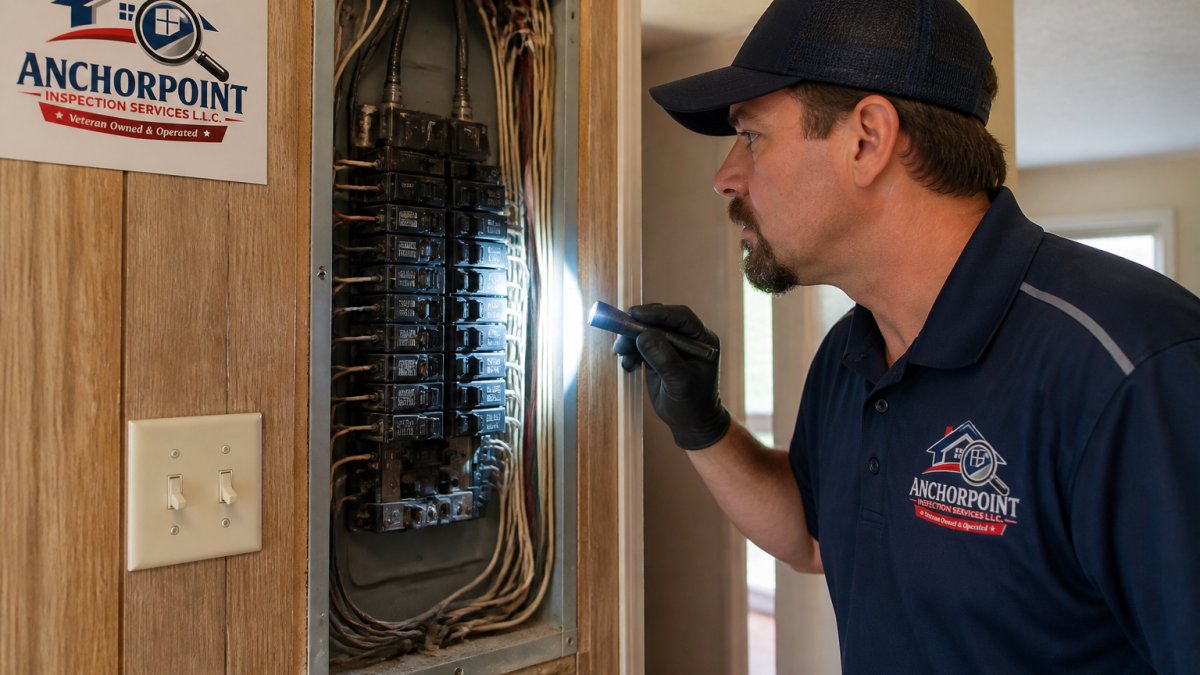
Homeowners often feel overwhelmed when their agent requests "an inspection," but knowing which specific report you need can save both time and money. A 4-point inspection is a broad health check of your home's four major systems: HVAC, plumbing, electrical, and the roof. In Florida, carriers typically require this for homes older than 20 to 30 years to ensure that aging infrastructure hasn't become a high-risk liability. It's a general overview designed to catch major red flags across the entire property.
A Roof Certification is much more focused. This is a standalone document that deals exclusively with the roof's material, its current condition, and its remaining life. If your home is relatively new but your shingles are nearing the 15-year mark, your insurer might only require a roof condition inspection for insurance. This specific certification proves to the carrier that the roof still has at least five years of performance left, which is the standard threshold for many Florida policies in 2026.
Choosing the Right Report for Your Carrier
Before you schedule an appointment, it's wise to ask your agent specifically if they require a 4-point inspection. If your plumbing and electrical systems were recently updated, you might only need the more affordable standalone roof report. However, for those applying for a new policy on an older home, both reports often contribute to a comprehensive insurance inspection. Ordering the correct paperwork from the start prevents unnecessary delays in your policy approval process and ensures you aren't paying for data the insurer doesn't actually need.
Wind Mitigation: The Third Piece of the Puzzle
It's important to distinguish a condition report from a wind mitigation inspection. While a roof condition inspection for insurance looks for leaks, wear, and tear, a wind mitigation report focuses on how the roof is physically attached to the walls. We look for specific hardware like clips or wraps that keep the structure secure during a hurricane. This report is your primary tool for securing premium discounts.
Many homeowners in 2026 utilize the My Safe Florida Home Program to identify where their homes need strengthening. By documenting these hurricane-resistant features, you can often offset the cost of your insurance premiums significantly. While the condition report tells the insurer that your roof is healthy, the wind mitigation report tells them your home is resilient. Together, they provide a complete picture of a well-protected property.
Determining 'Remaining Useful Life' in Florida
The concept of "remaining useful life" is the most critical metric in any roof condition inspection for insurance. It is an estimate of how many more years your roofing system can realistically protect your home before a failure is likely. While the industry standard often mentions a three year minimum, most Florida carriers in 2026 require a report to show at least five years of remaining life for roofs that are 15 years or older. This benchmark ensures that the insurer isn't taking on a property that will require a massive claim in the immediate future. If your inspector determines the roof has less than this threshold, it typically triggers a requirement for a full replacement to maintain your policy.
Estimating this lifespan isn't guesswork. It involves a careful analysis of wear patterns, such as the depth of granule loss and the condition of the underlying matting. Material choice plays a huge role here. Architectural shingles are generally designed for greater longevity and wind resistance than traditional 3-tab shingles. If you have kept up with maintenance, such as professional soft washing to remove organic growth, you may find that your certified useful life is longer than the chronological age suggests. Proactive care prevents the premature breakdown of the asphalt, helping you pass your roof condition inspection for insurance even as the system ages.
Factors that Shorten Roof Life in Bay County
Living in coastal areas like Panama City or Lynn Haven introduces unique environmental stressors. Salt air is a primary culprit; it can lead to accelerated corrosion on metal fasteners and flashings, even if the shingles themselves look healthy. High humidity levels also encourage the growth of algae and moss. These organisms hold moisture against the roof surface, which eventually rots the organic components of the shingles. Finally, the intense Florida sun causes significant thermal expansion and contraction. This constant movement can lead to "thermal shock," which makes materials brittle and prone to cracking over time.
What Happens if Your Roof Fails the Inspection?
Receiving a report that doesn't meet carrier requirements can be stressful, but it isn't always a reason to panic. There is a big difference between a roof that needs minor repairs and one that requires a full replacement. If the inspector identifies specific issues like a few missing shingles or a damaged pipe boot, you can often have these repaired by a licensed contractor. Once the work is done, we can perform a re-inspection to update your documentation. This updated report proves the deficiencies have been corrected, allowing you to secure your coverage. If you are concerned about your roof's current status, you can book a Roof Certification to get an accurate, professional assessment of your home's resilience.
Navigating Your Roof Inspection with Anchorpoint
At Anchorpoint Inspection Services, led by John R. Gramlick III, we believe that a roof condition inspection for insurance should be a source of clarity rather than stress. Our process is built on a foundation of professional authority and supportive reassurance. We understand that your home is your most significant investment, and our goal is to help you protect it. Whether you're in Lynn Haven, Panama City Beach, or anywhere across the Florida Panhandle, we provide thorough, transparent evaluations that meet the specific needs of modern insurers.
During the walkthrough, you can expect a methodical progression that respects your time and property. We focus on providing maximum clarity with minimal disruption to your daily routine. Once the physical assessment is complete, we deliver fast, digital reports that are ready to be sent directly to your insurance agent. This efficiency is vital in a fast-moving market where policy renewal deadlines are often tight and every day counts toward maintaining your coverage.
The Anchorpoint Difference: Education Over Alarmism
Many homeowners approach an inspection with anxiety, fearing that a single flaw will lead to a policy cancellation. We choose a different path. Instead of using alarmist language, we explain our findings in plain English so you can make informed decisions about your home. We link each observation to a practical outcome, helping you understand the reasoning behind every professional recommendation. This commitment to accuracy has earned us the trust of insurers across Bay County. They know our reports are grounded in technical proficiency and a genuine investment in the client's long-term well-being.
Next Steps: Secure Your Policy Today
Taking a proactive approach is the most effective way to manage your insurance premiums and avoid the high cost of emergency replacements. Scheduling your roof certification inspection in Florida is a straightforward process designed to give you immediate peace of mind. To prepare for our visit, we recommend clearing any debris from the roofline and ensuring our team has easy access to your attic space. These simple steps allow us to perform a more efficient evaluation and capture the data your carrier requires.
If you're facing a renewal deadline or simply want to understand the state of your shingles, contact Anchorpoint for a professional property assessment. We view our role as a partnership in your decision-making process. By providing a clear, documented roof condition inspection for insurance, we help you navigate the complexities of the 2026 market with confidence and secure your family's future.
Securing Your Home’s Future in the 2026 Market
Navigating the evolving landscape of Florida property insurance requires a proactive mindset and the right professional documentation. By understanding the critical differences between report types and the importance of "remaining useful life," you can effectively manage your home's risk profile. A professional roof condition inspection for insurance provides the transparency carriers demand while helping you avoid the stress of unexpected policy non-renewals. This document is a powerful tool for proving your roof's resilience and securing the most competitive rates available in today's market.
Anchorpoint Inspection Services is here to act as your diligent mentor throughout this process. As a Florida Licensed Home Inspector with deep expertise in 4-Point and Wind Mitigation inspections, we focus on accuracy and educational clarity for every client we serve in Panama City and Lynn Haven. We view every assessment as a partnership in your long-term decision-making process. Schedule Your Professional Roof Inspection with Anchorpoint Today to ensure your property remains a low-risk asset. You deserve the peace of mind that comes from knowing your home is thoroughly documented and ready for any audit.
Frequently Asked Questions
How long does a roof condition inspection take?
A typical on-site assessment for your Lynn Haven or Panama City home usually takes between 30 and 45 minutes. This timeframe allows us to thoroughly evaluate the exterior surface and access the attic to check for hidden leaks. Larger properties or those with complex rooflines might require slightly more time. Once we finish the physical walkthrough, we prioritize getting the digital report into your hands quickly so you can meet your agent's deadlines.
Will my insurance company accept a roof inspection from any contractor?
Most Florida carriers won't accept a report from a standard roofing contractor because they prefer an unbiased, third-party evaluation. They typically require a Florida Licensed Home Inspector, like the team at Anchorpoint, to perform the assessment. This ensures the findings are neutral and not influenced by a desire to sell you a new roof. Using a professional inspector provides the technical accuracy and integrity that underwriters trust across Bay County.
What is the maximum age a roof can be for insurance in Florida?
In 2026, many insurers begin requiring a roof condition inspection for insurance once asphalt shingles reach 15 years of age. While there isn't a single "cutoff" age for all carriers, the system must show at least five years of remaining useful life to stay eligible for coverage. If your roof is older but well-maintained, a professional certification can prove its resilience and help you avoid a premature and expensive replacement.
Does a roof certification guarantee my insurance will be renewed?
A certification provides the essential data an underwriter needs, but it isn't a guarantee of renewal. Insurers look at your entire property profile, including your claims history and the age of other systems like electrical and plumbing. However, a positive roof report is often the most significant hurdle for Florida homeowners. It serves as professional evidence that your home is a manageable risk, which is a vital step in securing your policy.
Can I perform my own roof condition inspection for my insurer?
Homeowners cannot perform their own inspections because insurance companies require an objective, professional assessment from a licensed individual. Carriers need to see technical documentation that follows state-approved forms and standards. By hiring a licensed inspector in Panama City Beach or Callaway, you ensure the report meets all regulatory requirements. This professional approach protects you by providing a transparent record that can withstand an insurance audit or a future claims dispute.
What are the most common reasons a roof fails an insurance inspection?
Roofs most often fail due to active water intrusion, heavy granule loss, or an estimate of less than five years of remaining life. Visible damage like missing shingles or "alligatoring" on flat roofs will also trigger a failure. We often find that simple issues, such as improperly sealed pipe boots or clogged gutters, lead to bigger problems. Addressing these small maintenance items before your inspection can help you pass with flying colors.
Is a wind mitigation report the same as a roof condition report?
These are two distinct reports with different goals. A roof condition inspection for insurance focuses on the health of the material and whether it's currently leaking. A wind mitigation report evaluates how well your roof is tied to the walls to resist hurricane-force winds. While both are important for Florida homeowners, the wind mitigation report is specifically designed to help you qualify for significant premium discounts on your annual policy.
How much does a professional roof certification cost in Panama City?
Professional fees for a roof certification in the Panama City area depend on the size of your home and whether you bundle the service with a 4-point or wind mitigation inspection. Every property has unique requirements, so we recommend reaching out for a quote specific to your needs. Investing in a professional assessment is a proactive way to manage your insurance costs and ensure you're getting the most accurate data for your carrier.
Comments