

Builder Inspection for a New Home in Florida: What Buyers Need to Know
What if the best time to spot a concern in your new Florida home is before it disappears behind drywall? A builder inspection new home Florida buyers arrange independently offers a buyer-focused view of visible work at a chosen stage of construction. It doesn’t replace the builder’s checks or local-authority inspections. It adds another perspective while parts of the home may still be accessible.
It’s reasonable to wonder when an inspection can reveal visible conditions, how it differs from required checks, and how to handle a finding. A calm, documented observation gives you a specific item to record and discuss through the project’s usual communication process.
This guide covers construction milestones that may benefit from independent inspection, what can be observed at each stage, and how to prepare and keep records. You’ll also learn where a final inspection and an 11-month warranty inspection fit into the process. Anchorpoint Inspection Services provides new construction phase inspections to help buyers understand visible conditions at important points in construction.
Table of Contents
Why consider a builder inspection for a new home in Florida?
Which new-home construction stages can a Florida builder inspection cover?
Does a builder inspection duplicate builder checks or local inspections?
How should buyers prepare for and follow up on a Florida builder inspection?
How Anchorpoint supports new-home buyers with phase inspections
Why consider a builder inspection for a new home in Florida?
A new home can look complete while important construction details are no longer visible. An independent inspection gives buyers another set of eyes on accessible conditions at an agreed stage of the build. It’s a visual assessment, not an invasive investigation: the inspector observes what can be seen safely and documents conditions that may merit clarification, follow-up, or future maintenance planning.
Drywall, flooring, trim, and other finishes can cover earlier work. Once an area is concealed, a visual inspection generally can’t assess it directly. A timely inspection can help you understand visible work before it’s covered, but it can’t confirm every hidden condition or guarantee that a defect will be found or corrected.
What an independent new-home inspection can add
The value is more than another checklist. A buyer-focused report can help you distinguish a straightforward observation from an item that may need clarification or later attention. For example, a report might describe the location and visible condition of an item, giving you a clear record to refer to when reviewing the build. You can then track the observation and any follow-up in your project records.
Scope depends on the construction stage and the areas accessible on inspection day. Visible framing and installed components may be observed before finishes cover them. A later visit focuses on what remains visible in the more complete home. The inspection isn’t a guarantee, a destructive examination, or a substitute for the builder’s quality-control process or local-authority checks.
Why Florida construction context matters to buyers
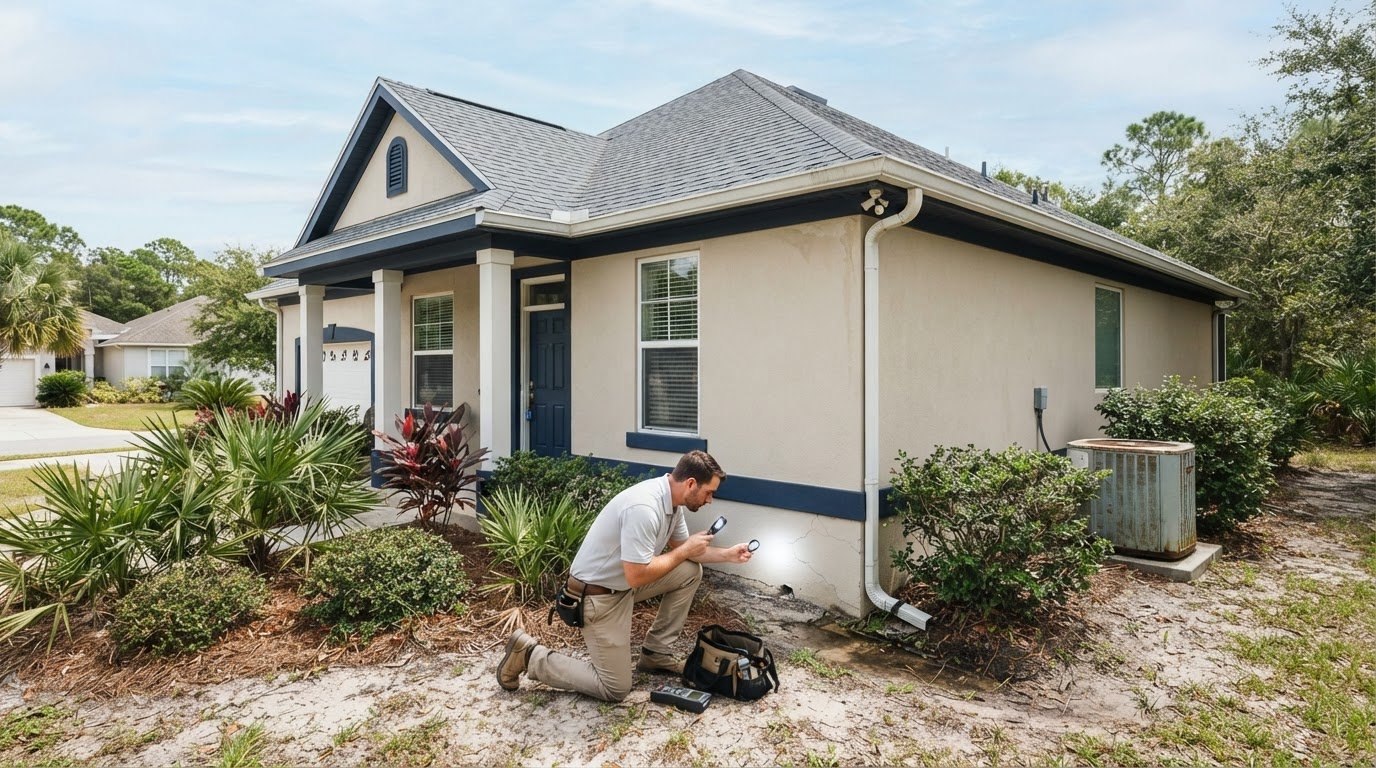
Florida’s heat, humidity, and wind exposure are useful context for understanding what to look at, not evidence that a home has a defect. In Bay County and other Gulf Coast communities, buyers may pay attention to visible roof details, drainage around the home, moisture-management features, and transitions in the building envelope, the parts that separate indoor space from outdoor conditions. These observations can help frame practical questions about how the home is intended to manage water and weather.
Access determines what an inspector can observe. Certain roof edges, exterior openings, grading, or exposed components may be visible, while concealed assemblies remain outside the visual assessment. An observation in one area doesn’t automatically indicate a broader problem. It’s a reason to note the condition and consider whether documentation or follow-up is appropriate.
The Florida Building Code provides an overview of the framework for construction requirements in the state. An independent inspection is an assessment of observed conditions, not a formal code-compliance determination. For buyers considering a builder inspection new home Florida, keeping that scope clear makes the findings easier to use: they are informed observations to support communication and decisions, not a promise of perfect construction.
Which new-home construction stages can a Florida builder inspection cover?
Inspection timing works best when it follows the build schedule. Coordinate a suitable visit around the stage of construction so the inspection can focus on work that is accessible. The exact scope depends on what has been completed, what remains visible, and what access is available on the day.
Common milestones include a pre-pour visit, a pre-drywall visit, and a review near completion. These visits aren’t interchangeable. An early visit may provide a view of exposed work before concrete or finishes cover it. Later visits focus on components and finishes visible at that point. The Florida new construction inspection guide gives buyers a broader overview of how phase timing can fit a build.
Before walls close: what a pre-drywall visit can reveal
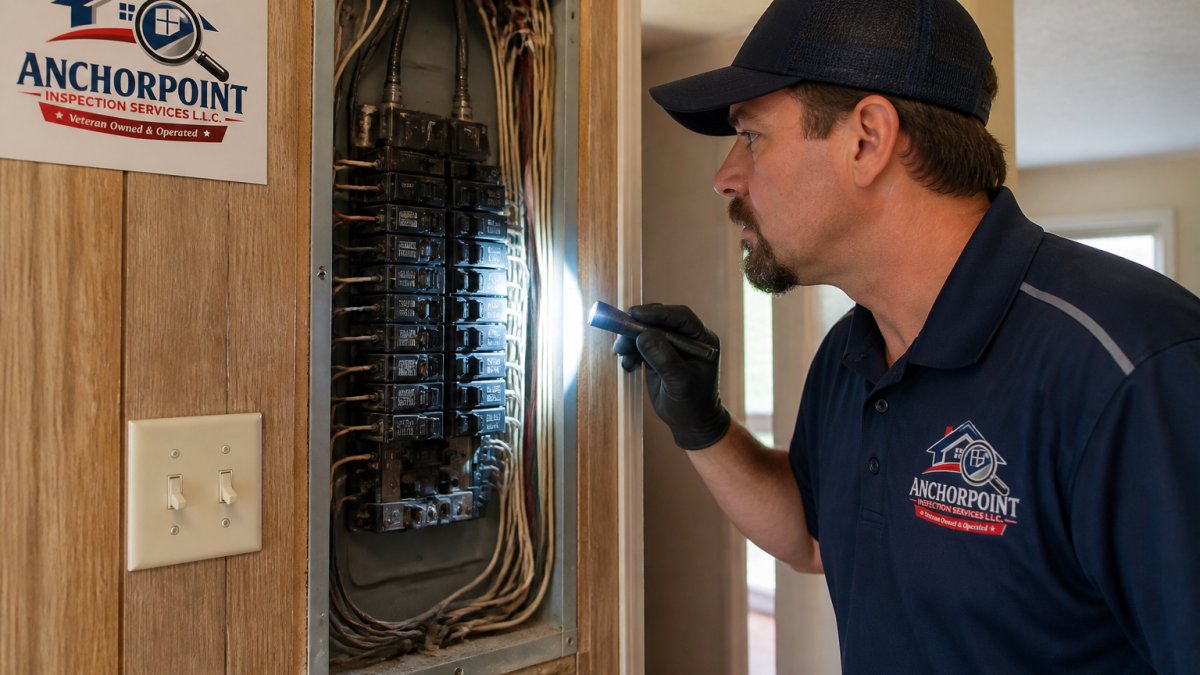
Before drywall is installed, accessible framing and rough-in work may be easier to see. An inspector might observe visible framing, penetrations through framing, or portions of installed plumbing and electrical systems. This is still a visual review, not an exhaustive examination of every component or a guarantee that concealed work is free of concerns. A reported observation also isn’t automatically a code violation or proof that something will fail.
Timing matters. If insulation or wallboard covers an area before the visit, that work may no longer be visible for direct observation. Coordinate the inspection window with the construction schedule and make sure access arrangements are clear. Early findings can give you a clearer basis for recording project questions while the relevant area can still be seen.
Near completion and before closing
A final-stage review focuses on visible, accessible conditions in the substantially completed home. Depending on the agreed scope and access, that can include observable finish conditions and components throughout the property. The report can help you organize questions about items that remain unfinished, appear damaged, or need clarification before your next steps.
After the visit, keep notes tied to specific locations and observations. Save the report and any related project communications with your build records. A clear record helps keep discussion focused on the same item without treating an observation as a conclusion about cause or responsibility.
For a builder inspection new home Florida buyers can use to understand visible conditions at different milestones, planning matters as much as the visit itself. Florida’s Department of Business and Professional Regulation provides information about home-inspector licensing. Anchorpoint Inspection Services provides new construction phase inspections, and buyers can learn about Anchorpoint’s new construction inspections when planning inspection timing around the build.
Does a builder inspection duplicate builder checks or local inspections?
Not necessarily. The checks may look at the same home, but they serve different purposes and may happen at different times. A buyer-arranged inspection adds an independent perspective on visible conditions for the buyer to consider. It doesn’t replace builder responsibilities, required permitting processes, or local-authority inspections, and it doesn’t mean those other checks are inadequate.
Builder quality control and local-authority inspections
Builders may use quality-control processes to monitor their work and address project concerns. Local building departments may conduct inspections as part of the permitting process. Details, timing, and scope depend on the project and jurisdiction, so don’t assume every locality follows the same sequence. Each process has its own purpose and audience, and none guarantees a defect-free home.
This comparison is a general guide, not a statement about a particular builder’s procedures or local requirements. Project documents and local information can help clarify which checks apply to a build. Different parties may assess work for different reasons, even when the timing overlaps.
What makes an independent buyer inspection different
An independent inspection centers on communicating observations to the buyer. The inspector describes visible conditions within the agreed scope so the buyer can understand them and decide what questions or follow-up may be appropriate. Timing and access shape what can be observed. A concealed or inaccessible area can’t be assessed visually just because another type of inspection has taken place.
This distinction is useful without setting up an either-or choice. A local inspection may serve its defined public process, while a buyer’s inspection helps the buyer understand visible conditions from their own perspective. The findings are observations, not a substitute for code review, builder quality control, or a determination of who is responsible for an item.
If the report notes a concern, use its location and description to keep your project records specific. Record any clarification or follow-up alongside the report. This measured approach helps keep attention on the observed condition rather than assumptions about cause or responsibility.
A builder inspection new home Florida buyers arrange is most useful when its role is clear: it adds buyer-focused information alongside builder and local-authority processes. Understanding the differences helps you use each set of observations appropriately and avoid treating one inspection as a guarantee or replacement for another.
How should buyers prepare for and follow up on a Florida builder inspection?
Preparation helps make an inspection easier to coordinate and the findings easier to use. Arrange suitable access, share relevant project details, review the observations, and keep follow-up organized. The goal isn’t to create conflict. Clear, specific records give you a grounded way to manage questions about the build.
Coordinate access and inspection timing
Align the visit with the construction schedule so the inspection can focus on the stage you have in mind. Follow site access procedures and communicate respectfully with the appropriate project contact about timing, entry, and restricted areas. Plans, change notices, or other project information can help provide context when available.
Coordinate the visit. Set timing in relation to the work underway and follow the project’s access arrangements. Don’t assume a particular stage will remain open or accessible without confirming the schedule.
Clarify access. Identify areas the inspector may not be able to enter or view. Access limitations affect what can be observed, so understanding them helps set realistic expectations.
Attend if permitted. If you can be present, listen to explanations and note questions. If you can’t attend, set aside time to review the findings afterward.
Review and track. Read the report, distinguish observations from suggested follow-up, and record questions and responses in one place.
Turn inspection observations into clear next steps
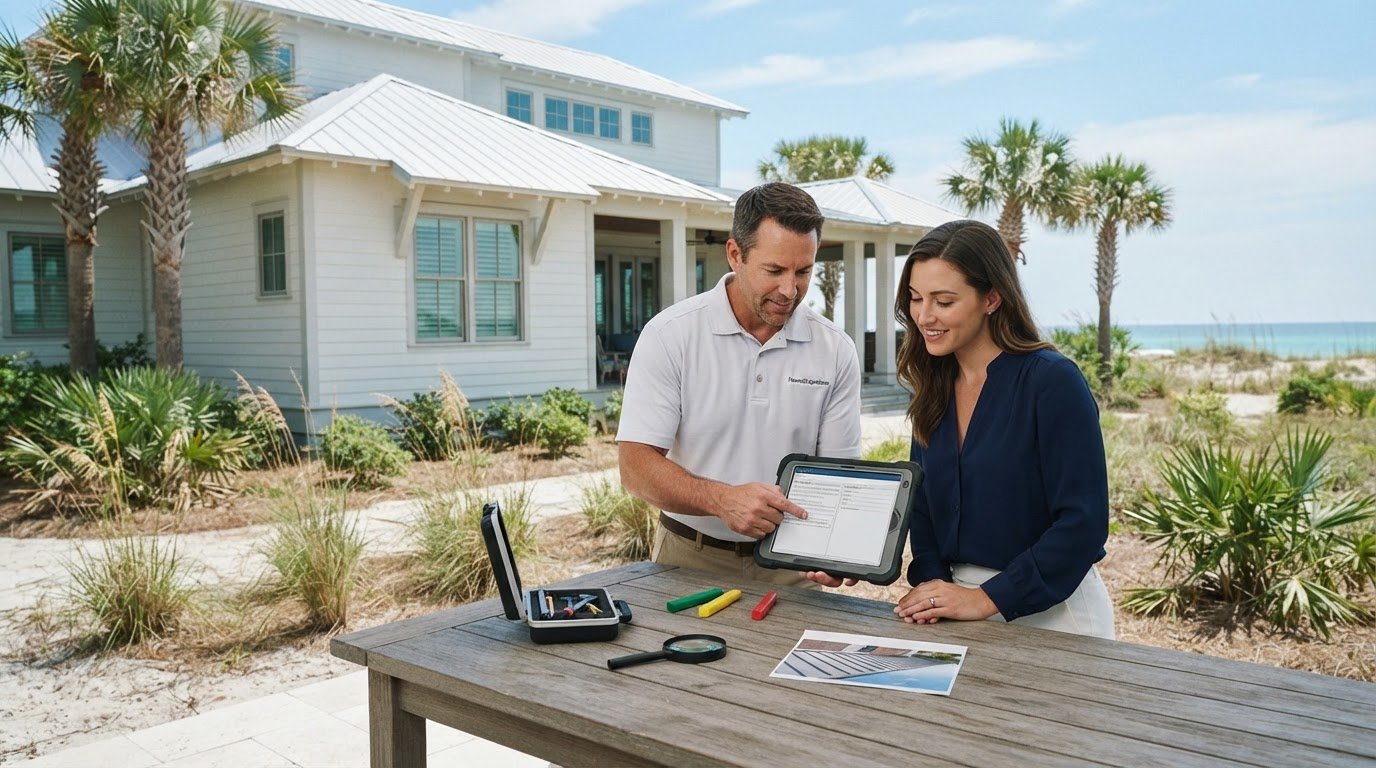
Keep descriptions precise. An observation describes a visible condition; a recommendation may suggest clarification, monitoring, or further evaluation. These are different statements, and neither should be treated as a conclusion about cause or responsibility. Photographs, locations, and concise notes can help you identify the same item clearly in project records.
For example, note where an item was observed, what the report says, and what remains unclear. Keep relevant project communications and any follow-up documentation with your build records. A home inspection report guide can help you interpret report language and distinguish findings from suggested next steps.
Use inspection information to support your own decisions, not to make contract, closing, or repair choices on the inspector’s behalf. Those decisions belong to you, with guidance from qualified advisers where appropriate. For a builder inspection new home Florida buyers can put to practical use, preparation and calm follow-through matter. Learn about Anchorpoint’s new construction phase inspections as you plan the visit around your build.
How Anchorpoint supports new-home buyers with phase inspections
Buying a home during construction means making decisions while the work is still underway. Anchorpoint Inspection Services provides new construction phase inspections for buyers who want an independent perspective on visible conditions at key points in the build. The observations can help you understand what’s accessible during the visit and decide what questions or follow-up may be useful.
A local inspection perspective for Bay County builds
Anchorpoint serves buyers in Lynn Haven, Panama City, and surrounding Bay County communities. Buyers in the area can arrange a phase inspection for an independent set of observations as their home takes shape. What can be viewed depends on the home’s construction stage, site access, and the areas available during the inspection.
Each build has its own schedule and conditions. A visit while work is exposed may offer a different view from one near completion, so identify your home’s current stage and what you hope to learn. An inspection can document accessible observations, but it can’t guarantee that every concealed condition will be found or that a builder will make a particular change. Its purpose is to give you information to support your decisions and project records.
Choose a next step that fits your build timeline
Start by noting what is happening at the property now: whether the home is at an early construction stage, approaching finish work, or substantially complete. Gather relevant plans or project details and write down your questions. This gives the inspection a practical starting point and connects the visit to your build timeline.
Anchorpoint provides new construction phase inspections during the build and 11-month warranty inspections for buyers who want to review the home later in its first year. The appropriate timing depends on the stage and purpose of the visit. Describe the build’s current progress and the information you want to understand when planning an inspection.
For buyers researching a builder inspection new home Florida, a local, buyer-focused inspection can add perspective without replacing builder or local-authority processes. Anchorpoint is owned and operated by John R. Gramlick III, a Florida-licensed home inspector. The approach is straightforward: understand your project stage, focus on accessible conditions, and use the observations to inform your next steps.
If you’re planning a phase inspection or approaching the end of the first year, explore Anchorpoint inspection services and plan a visit around your project timeline.
Make your next build milestone a clear decision point
Before the next stage of construction begins, identify the question you most want answered. It might be whether a particular area will still be accessible, what project information could provide context, or how to keep track of observations and responses. A focused question can help make an inspection part of your planning rather than another source of uncertainty.
For a builder inspection new home Florida decision, start with your current construction stage and the information you need to move forward. Keep records specific, and give yourself time to review observations before deciding what they mean for your plans. You don’t need to resolve every question at once. A practical next step is enough.
When you’re ready to plan an independent inspection for your build, explore new construction inspections with Anchorpoint. A phase inspection can help you understand visible conditions at an important build milestone.
Frequently Asked Questions
Is a builder inspection required for a new home in Florida?
Not universally. A builder inspection new home Florida buyers arrange independently is separate from any required approvals, and project procedures may depend on local permitting and purchase documents. For example, a contract may set notice or access requirements, so review its terms before scheduling a visit. Requirements vary by project and locality, and an independent inspection isn’t a substitute for required approvals.
Can I attend an inspection while my new home is being built?
Possibly, if site access and safety procedures allow it. Coordinate with the project contact before visiting and follow instructions about where you may go. If attendance is permitted, prepare a short list of questions and take notes without entering restricted areas or interrupting active work. If a room is closed off, record that access was unavailable rather than attempting to enter it.
Does a builder inspection guarantee that my new home will have no defects?
No inspection can promise a defect-free home. Findings describe conditions visible and accessible at a particular time, so an area covered by a finish or changed after the visit may not be represented. If an observation raises a concern, keep the report and use it to guide a focused follow-up. Treat it as decision-support information, not a warranty or prediction of future performance.
What should I do if the builder disagrees with an inspection finding?
Keep the record specific and grounded in the report. Note the location and observed condition, along with any clarification or response provided through the project’s usual communication process. A disagreement doesn’t by itself establish fault or require a particular repair. If the issue could affect contract rights, deadlines, or closing decisions, review the written agreement and obtain advice from a qualified real-estate or legal professional.
Can an inspection affect my new-home closing date?
An inspection doesn’t automatically change a closing date. Any effect depends on the purchase agreement, project schedule, access, and how the parties handle findings. Review relevant deadlines in the written agreement and allow time to review observations and document questions. If a visit is planned near a contractual milestone, account for the timing rather than assuming an inspection pauses or extends a deadline.
How should I keep records from a new-construction inspection?
Save the full report, related photographs, project messages, and written follow-up together. Label files with the property address and inspection date. For a build in Lynn Haven, Panama City, Panama City Beach, Callaway, Southport, Mexico Beach, Port St. Joe, Santa Rosa, Fort Walton, Niceville, Destin, Pensacola, Gulf Shores, or San Destin, include the city in the file name to make records easier to sort. Keep inspection records separate from contracts and warranty documents.
Comments