

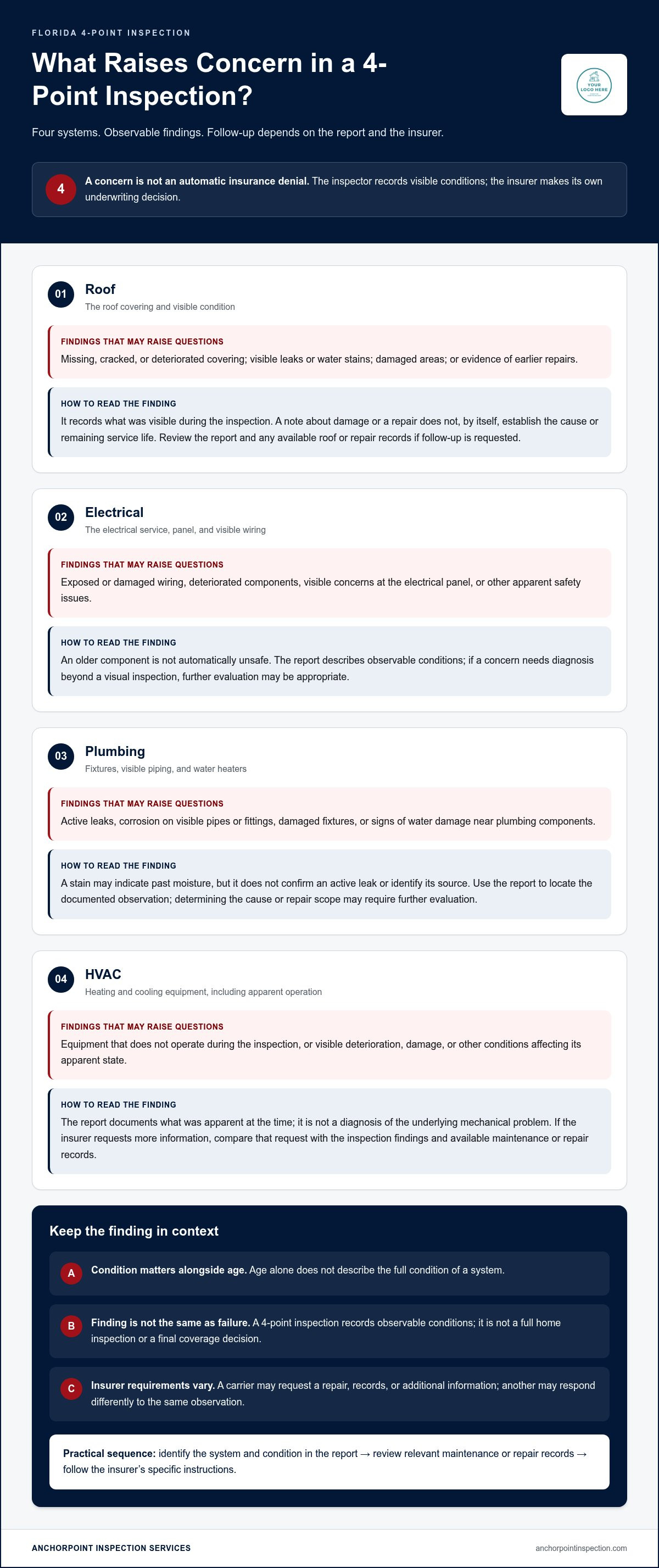
Common Reasons for Failing a 4-Point Inspection: What Florida Homeowners Should Know
Updated: Oct 6
A concerning 4-point inspection finding isn’t automatically an insurance denial. Florida homeowners often worry that an older roof, electrical panel, or HVAC system means an automatic failure. In practice, an inspector documents the observable condition of four key systems, and insurers apply their own requirements. Understanding the common reasons for failing a 4 point inspection can help you distinguish a documented concern from an underwriting decision.
This guide covers roof, electrical, plumbing, and HVAC conditions that may prompt questions, from visible roof damage and leaks to wiring concerns, pipe corrosion, or equipment that doesn’t operate during the inspection. It also explains why age alone doesn’t tell the whole story and how to use the report to plan follow-up. A professional 4-point inspection records observable conditions in those systems. It doesn’t replace a full home inspection or guarantee an insurance outcome. Review the findings, gather records of repairs or upgrades, and use the insurer’s instructions to identify any next steps.
Table of Contents
What a Florida 4-Point Inspection Reviews, and What “Failing” Really Means
A Florida 4-point inspection is a condition-focused review of four major home systems for an insurance-related property assessment. It documents their observable condition rather than evaluating every part of the home. A comprehensive home inspection generally covers a broader range of components, while a 4-point inspection has a narrower focus.
A typical Florida 4-point inspection covers the roof, electrical system, plumbing system, and heating, ventilation, and air-conditioning (HVAC) system. The inspector records visible conditions in those areas. The insurer uses the report as part of its own underwriting review and determines whether it needs additional information or follow-up.
Which four systems are included in a 4-point inspection?
The review looks at specific parts of each system that help describe its condition:
Roof: The roof covering and visible condition, including signs of deterioration, damage, leaks, or previous repairs.
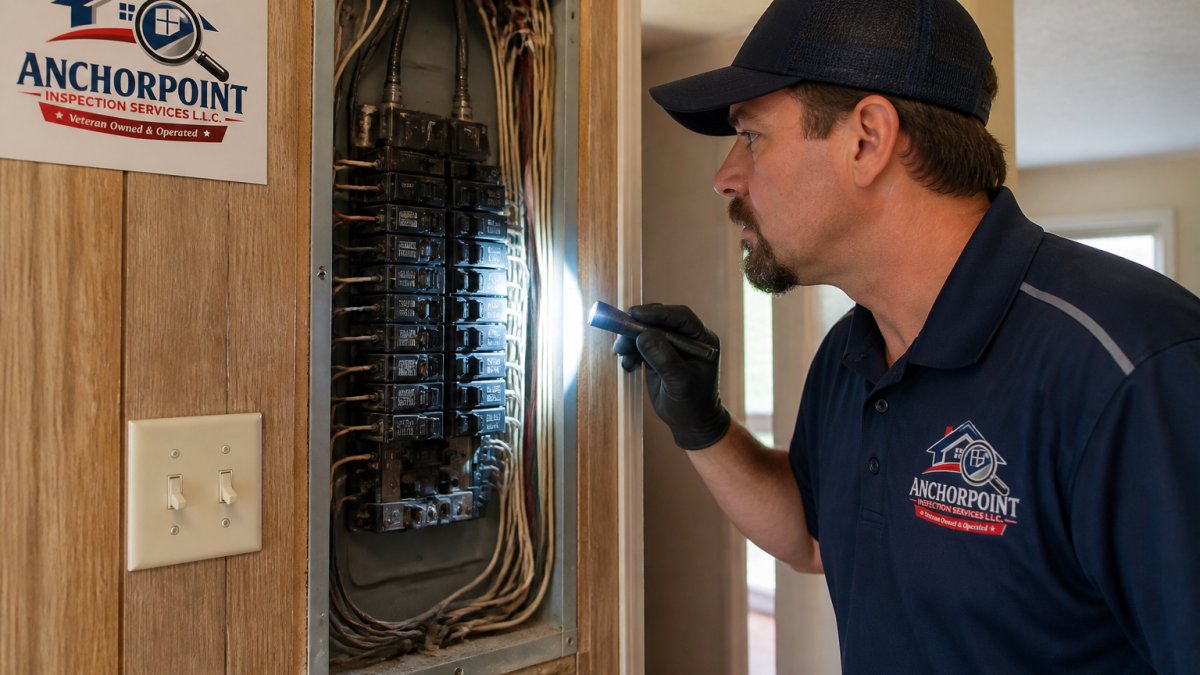
Electrical: The electrical service, panel, and visible wiring, along with observable safety concerns.
Plumbing: Fixtures and visible piping, water heaters, and signs of leaks or other apparent issues.
HVAC: Heating and cooling equipment, its visible condition, and whether it appears to operate during the inspection.
The inspection records what can be observed at the time. A report may flag a concern that needs attention, but it doesn’t necessarily identify the underlying cause or represent a full evaluation of the home.
Does a concerning finding automatically mean insurance denial?
No. A reported condition and an insurer’s coverage decision are separate. “Failing” is common shorthand, but there isn’t one universal standard that every carrier applies in the same way. The common reasons for failing a 4 point inspection may prompt questions or requests for follow-up, but the carrier decides how a finding affects an application or renewal.
Requirements vary by insurer. One carrier may request a repair, records, or additional information, while another may respond differently to the same observation. Read the report as a record of what the inspector observed, not as a final verdict or repair order. For example, a note about visible roof damage documents an observation; the insurer decides what it means for its underwriting process.
Start by identifying the system and specific condition noted in the report. If the insurer requests follow-up, compare its request with the inspection findings and any available maintenance or repair records. A 4-point inspection documents the home’s condition; it can’t promise approval, denial, or a particular coverage outcome.
Common Roof, Electrical, Plumbing, and HVAC Findings That Raise Concerns
A 4-point report focuses on what’s visible during the inspection, not simply the age of a home or system. Wear, damage, leaks, and signs of unsafe or poor operation may prompt attention. Age alone doesn’t describe the full condition. The Citizens Property Insurance Corporation publishes its own inspection guidance, illustrating why insurance requirements should be considered carrier by carrier.
These are examples of conditions that may be documented. They are observations, not automatic pass-or-fail rules:
Roof: Missing, cracked, or deteriorated covering; visible leaks or water stains; damaged areas; or evidence of earlier repairs.
Electrical: Exposed or damaged wiring, deteriorated components, visible concerns at the electrical panel, or other apparent safety issues.
Plumbing: Active leaks, corrosion on visible pipes or fittings, damaged fixtures, or signs of water damage near plumbing components.
HVAC: Equipment that doesn’t operate during the inspection, or visible deterioration, damage, or other conditions affecting its apparent state.
Roof and electrical conditions inspectors may document
Electrical observations may include exposed wiring, damaged components, or visible issues at the panel. An older component isn’t automatically unsafe. The report should describe what can be seen rather than draw a broad conclusion based on age alone. If a concern requires diagnosis beyond a visual inspection, further evaluation may be appropriate.
Plumbing and HVAC conditions that can affect the report
An inspector may record leaks and corrosion visible on pipes, connections, fixtures, or around a water heater. A stain can indicate past moisture, but it doesn’t by itself confirm whether a leak is active or identify its source. Likewise, HVAC equipment that doesn’t operate during the inspection or appears visibly deteriorated is a documented condition, not a diagnosis of the underlying mechanical problem, which often requires evaluation by an HVAC specialist like Aquila Air & Heating.
This distinction helps you choose a sensible next step. A report can identify an observable concern, while determining its cause, repair scope, or technical condition may require a specialist. The common reasons for failing a 4 point inspection are findings to review in context, not universal rules that produce the same outcome for every insurer or home. Anchorpoint Inspection Services provides local 4-point inspections for insurance-related property assessments.
Finding vs. Failure: How to Interpret 4-Point Inspection Results
A 4-point report records conditions observed in the home. It doesn’t, by itself, order repairs or determine whether an insurer will offer or renew coverage. For example, a note about a leak documents what was visible during the inspection. The carrier decides whether it needs more information or follow-up under its own underwriting criteria.
Read the full report for context around each item rather than relying on a single word or label. The common reasons for failing a 4 point inspection can lead to different next steps depending on the specific condition and the insurer reviewing the report.
How to read observations, recommendations, and limitations
A factual observation describes what the inspector could see, such as a damaged component. A recommendation for further evaluation means the visible information may not explain the cause or full extent of the issue. Read the report from start to finish, including its notes and limitations. For more context on interpreting inspection reports, see Home Inspection Report Explained.
Why Florida insurance requirements can differ
Insurance carriers may use different underwriting criteria and request different documents or follow-up. Treat the inspection report as information for the carrier’s review, not as a universal pass-or-fail score. If the insurer requests a repair, updated documentation, or clarification, use that specific request to guide your next step. The article 4 Point Inspection for Home Insurance FAQ offers related answers to common questions.
Keep copies of the report and records connected to any follow-up work. Clear documentation can help you respond to questions, but it doesn’t guarantee a particular coverage decision.
What to Do Before and After a 4-Point Inspection
Preparation can make the inspection more straightforward. Focus on access and useful records, not on trying to make the home appear different from its actual condition. An accurate report gives you and the insurer a clearer basis for deciding what, if anything, needs follow-up.
How to prepare your home and useful records
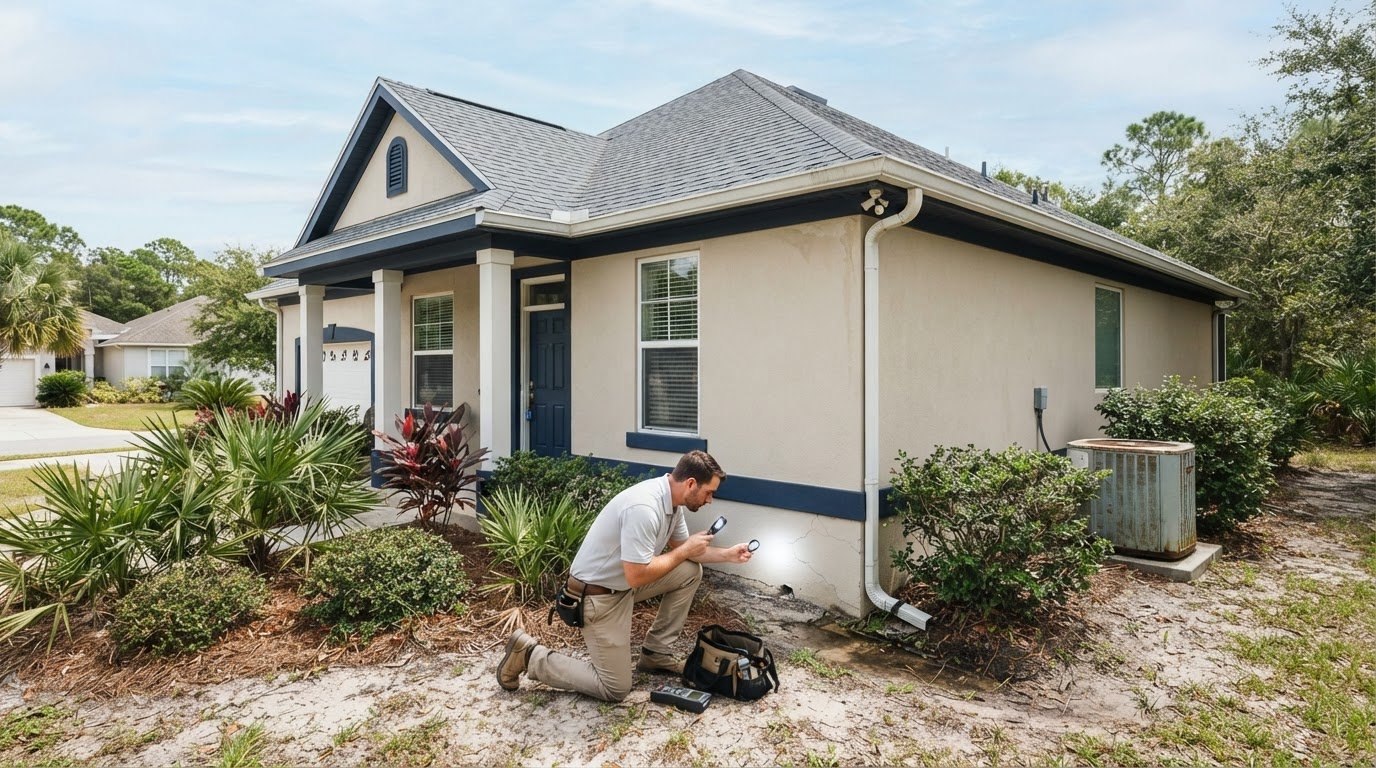
Before the inspection, make the electrical panel, visible plumbing, water heater, and HVAC equipment reasonably accessible. Move stored items that block these areas if you can do so safely. Gather documents you already have, such as invoices, permits, maintenance records, and paperwork for roof repairs or system replacements. These records provide context, but they don’t guarantee that an insurer will accept the report or offer coverage.
Leave the property as it is. Don’t conceal a defect or make a last-minute cosmetic change to influence what the inspector records. If you notice an immediate safety concern, address it appropriately rather than waiting for the inspection.
How to respond when the report identifies a concern
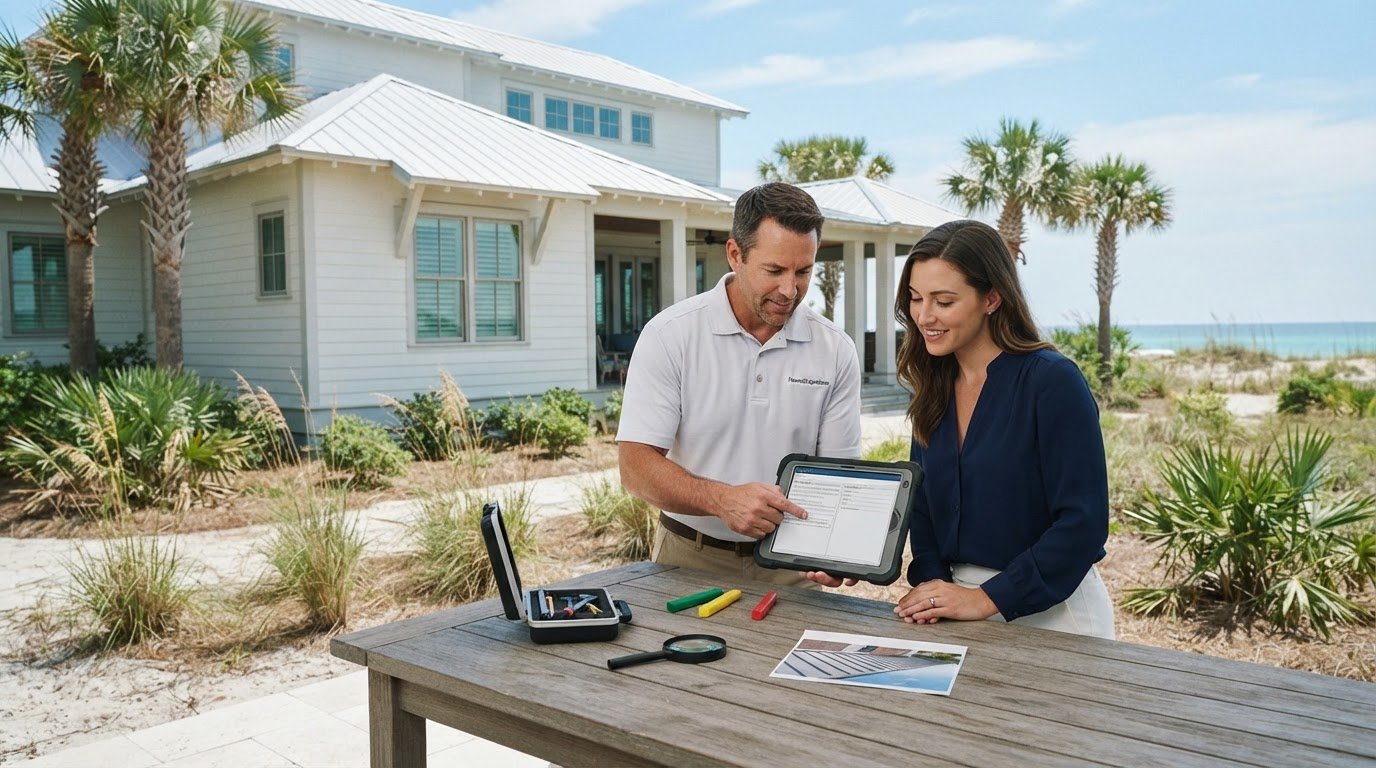
After you receive the report, read each observation along with any notes about inspection limitations. A visible condition may need further evaluation before you know its cause or the appropriate repair. Prioritize safety-related observations, and use appropriately qualified professionals for repairs or specialized evaluations beyond a visual inspection.
Then review any insurer follow-up request carefully. One carrier may ask for additional documentation, while another may have different requirements. Don’t assume that a repair, form, or document requested for one policy will satisfy another insurer’s process. If a request is unclear, ask the insurer what specific information it needs. Keep copies of the response, completed work, and related records.
For broader context on insurance-related inspections, consult 2026 Guide to Florida Home Insurance Inspections. The article explains where a 4-point report fits within the insurance process. Your insurer’s own request should guide the next steps for your situation.
The common reasons for failing a 4 point inspection are easier to manage when you work from documented findings instead of assumptions. Gather records, provide access, review the report, and follow up on specific concerns in a measured order. For a professional report documenting your home’s four systems for insurance-related needs, schedule a 4-point inspection.
Plan Your Next Step with a Local 4-Point Inspection
A 4-point inspection gives an insurer a documented view of the roof, electrical, plumbing, and HVAC systems. It doesn’t decide whether a policy will be issued or renewed. The carrier makes that underwriting decision and determines whether it needs additional information or follow-up. Use the report as a practical planning tool, not as a final verdict.
When a professional 4-point inspection can help
Homeowners may need a 4-point inspection when seeking insurance for a property or responding to a request during policy renewal. First, understand what the insurer is asking for and ensure the inspection documentation addresses the requested scope. Requirements differ, so the report documents observed conditions but doesn’t guarantee a specific coverage decision.
Anchorpoint Inspection Services provides 4-point inspections for insurance-related property assessments in Lynn Haven, Panama City, Panama City Beach, and nearby Bay County communities. The inspection documents the four systems’ observable conditions, helping you understand the report and identify observations that may need follow-up. If a finding raises questions about repairs or specialized evaluation, use the report details and insurer’s request to clarify what to address.
What to expect from Anchorpoint Inspection Services
Anchorpoint Inspection Services is owned and operated by Florida-licensed home inspector John R. Gramlick III. During a 4-point inspection, the focus is on documenting observable conditions in the roof, electrical, plumbing, and HVAC systems. Review the completed report for specific observations and any stated limitations, then use it alongside your insurer’s instructions to plan your next step.
The common reasons for failing a 4 point inspection can sound concerning, but a documented issue is information to understand and act on, not an automatic insurance outcome. A clear report shows what was observed; it can’t promise approval or replace the insurer’s underwriting decision.
If you need documentation of your home’s four systems for an insurance-related purpose, schedule a 4-point inspection with Anchorpoint Inspection Services. Start with a clear record of the property’s observed condition, then follow the insurer’s guidance for any requested next steps.
Move Forward with a Clearer Picture
The common reasons for failing a 4 point inspection, from visible roof concerns to issues with electrical, plumbing, or HVAC systems, are observations to understand and address. The report documents the condition of these systems; the insurance carrier makes its own underwriting decision. Requirements vary, so use the report and any insurer requests to guide your next steps instead of assuming one finding decides the outcome.
Anchorpoint Inspection Services provides 4-point inspections for insurance-related property assessments in Lynn Haven, Panama City, and surrounding communities. Florida-licensed home inspector John R. Gramlick III documents the four systems so you can review the findings and plan any follow-up. The report can inform your decisions, though it can’t guarantee insurance approval.
If you need an inspection for an insurance-related purpose, schedule a 4-point inspection with Anchorpoint Inspection Services. A clear, practical next step can make the process feel more manageable.
Frequently Asked Questions
What are the most common reasons for failing a 4-point inspection?
Common concerns include roof deterioration or leaks, visible electrical issues, plumbing leaks or corrosion, and HVAC equipment that appears damaged or doesn’t operate during the inspection. These are among the common reasons for failing a 4 point inspection, but no single condition automatically determines the result. The inspector records observable findings, and the insurer applies its own underwriting requirements to decide whether repairs, records, or further evaluation are needed.
Does an old roof automatically fail a 4-point inspection?
No. A roof’s age alone shouldn’t be treated as an automatic failure. The inspector documents observable conditions, such as visible wear or damage, along with relevant inspection limitations. An insurer may apply its own criteria and request additional documentation or follow-up. Review the report and the carrier’s specific requirements to understand what applies to your home.
Can a home pass a 4-point inspection if it needs repairs?
A 4-point inspection documents observed conditions; it doesn’t guarantee that a home will pass. Depending on the property and its findings, an insurer may request repairs, records, or further evaluation. The carrier’s response can vary, so distinguish what the inspector reports from the coverage decision the insurer makes. If a finding raises a safety concern, address it with an appropriately qualified professional and follow any specific instructions from your insurer.
What happens if a 4-point inspection finds electrical problems?
The report may describe visible electrical concerns, such as damaged components or exposed wiring, but that observation doesn’t automatically decide whether insurance coverage is available. The insurer may request clarification, repairs, or additional documentation under its own criteria. Read the exact finding and any inspection limitations before deciding what to do. If the issue needs technical evaluation or corrective work, consult an appropriately qualified electrical professional and keep records of completed work.
Can plumbing leaks cause a 4-point inspection concern?
Yes. An inspector may document visible leaks, corrosion, or damaged plumbing components because they describe the system’s observable condition. The significance depends on what was seen and the insurer’s requirements. Review the report carefully, address active leaks promptly, and keep relevant repair records. A documented leak doesn’t have the same effect on every policy, and completing a repair doesn’t guarantee that an insurer will approve coverage.
Does a 4-point inspection guarantee homeowners insurance approval?
No. A 4-point inspection report doesn’t guarantee approval or renewal. It documents the condition of specified home systems, while the insurer evaluates that information under its own underwriting criteria. The carrier may request additional information or follow-up. Treat the report as documentation to inform the process, not as a promise of coverage. Follow the insurer’s instructions for any requested records, repairs, or further evaluation.
How should I prepare for a 4-point inspection in Florida?
Make relevant areas accessible where safely possible, including the electrical panel, plumbing fixtures, water heater, and HVAC equipment. Gather available maintenance and repair records, and explain known access limitations. Don’t hide defects or make cosmetic changes to influence the findings. Follow your insurer’s specific documentation instructions, since requests can differ. Anchorpoint serves Lynn Haven, Panama City, Panama City Beach, Callaway, Southport, Mexico Beach, Port St. Joe, Santa Rosa, Fort Walton, Niceville, Destin, Pensacola, Gulf Shores, and San Destin.
Comments