

Home Inspection: Find Defects and Protect Your Investment
A home inspection can reveal costly problems that a quick walkthrough may miss. It’s a professional visual review of a home’s condition, including its structure, major systems, and visible safety concerns. Protecting your investment with a home inspection means understanding what needs attention before you make decisions about a purchase or a property you already own.
It’s natural to want a clear picture of a home before taking on its upkeep and expenses. Protecting your investment with a home inspection starts with identifying visible defects and repair needs, then using the findings to plan next steps. Because an inspection is visual and non-invasive, it cannot uncover every condition hidden behind walls or beneath finished surfaces.
This article explains what an inspection covers, how findings can help you assess defects and safety concerns, and what to look for in an inspector. You’ll also learn how a clear report can support informed decisions about repairs, maintenance, and what to do next.
Table of Contents
Identifying structural, mechanical, and safety issues
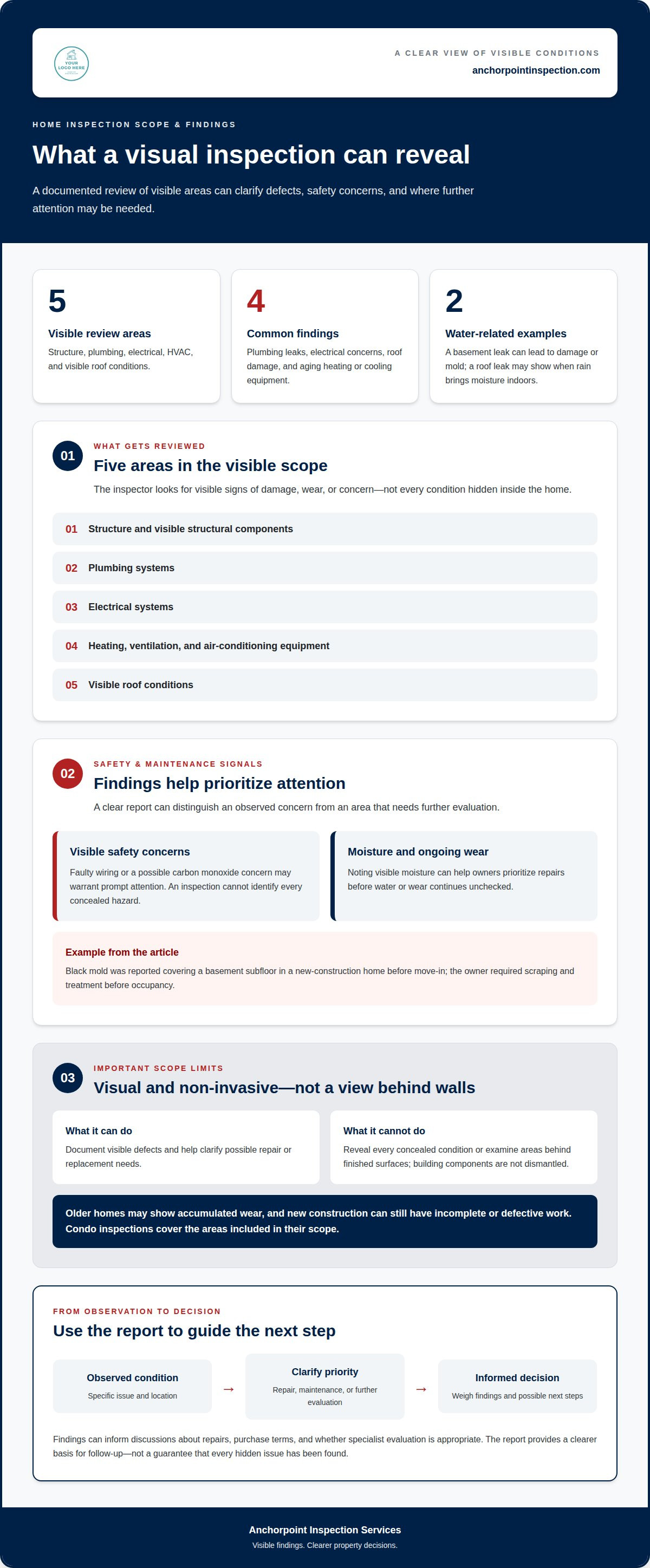
A visual inspection helps identify visible defects in a home’s structure, major systems, and safety conditions. For buyers, sellers, and owners, documented findings clarify which potential issues may need attention.
Structural and Mechanical Problems
A home inspection evaluates visible structural components and mechanical systems to help you understand a property’s condition. An inspector may examine the structure, plumbing, electrical systems, HVAC equipment, and visible roof conditions for signs of damage or wear. Common findings include plumbing leaks, electrical concerns, roof damage, and aging heating or cooling equipment.
Older homes may show accumulated wear, while new construction can still have incomplete or defective work. Condo inspections focus on the areas included in their scope. Since standard inspections are visual, concealed conditions may remain undiscovered. The report helps buyers weigh observed repairs and potential replacement needs during the purchase process.
Safety Issues in the Home
Safety findings are visible conditions that may put occupants at risk, such as faulty wiring or a possible carbon monoxide concern. HUD advises buyers to get home inspections to uncover hidden dangers. A clear report can distinguish an observed concern from an area needing further evaluation, helping buyers identify what deserves prompt attention.
During buying, these findings matter beyond appearance: unaddressed safety issues can threaten health and safety as well as become costly to correct. An inspection is visual, so it can’t identify every concealed hazard. It gives buyers a clearer basis for follow-up decisions and greater peace of mind about the conditions the inspector could access.
Preventing Minor Issues from Escalating
Minor maintenance concerns can worsen when water or wear continues unchecked. For example, a basement leak can cause water damage or mold, so noting visible moisture helps owners prioritize repairs. A roof leak may not be apparent on a dry day and may become evident only when rain brings moisture indoors.
New construction deserves careful attention too. In one reported example, black mold covered a basement subfloor before move-in, and the owner required scraping and treatment before occupancy. A pre-listing inspection can help sellers identify issues, plan repairs, and share findings with prospective buyers. Addressing visible concerns before listing may support a smoother sale, while early maintenance helps protect the home’s condition.
What is a Home Inspection?
A home inspection is a visual evaluation of a property’s condition, construction, and visible mechanical systems. For buyers, protecting your investment with a home inspection begins with understanding what the assessment can and cannot reveal.
In the United States, a home inspection isn’t required by law. The buyer requests and arranges it. Inspection findings help buyers understand a property’s condition, while lenders may have separate financing requirements.
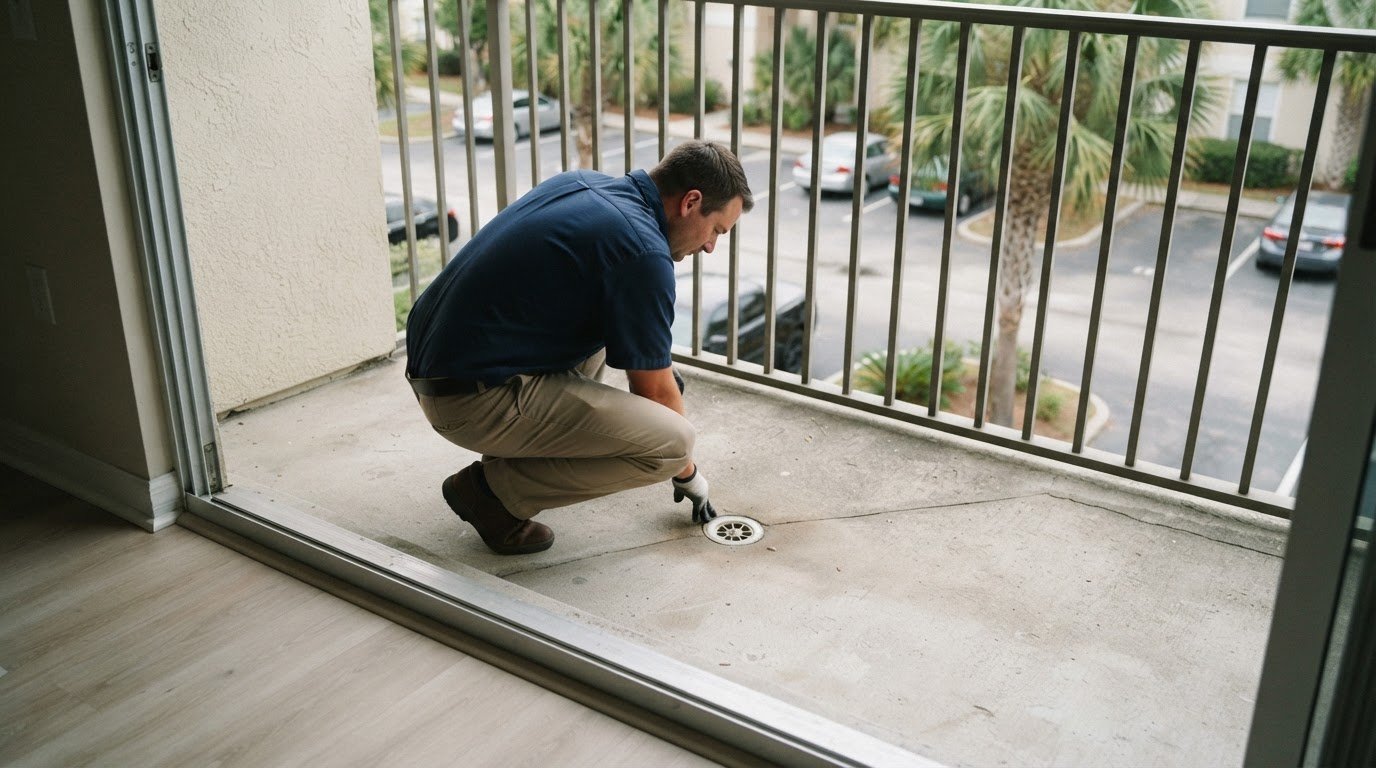
During a home purchase, an inspector typically evaluates visible structural components, plumbing, electrical systems, and HVAC equipment. The report may identify repair or replacement needs, but a standard inspection is visual and non-invasive. It doesn’t involve dismantling building components or examining concealed areas.
Buyers can schedule an inspection before or after signing a purchase contract. Some negotiate a contract contingency tied to inspection results, preserving a decision point during the buying process.
Inspection costs depend on the property and the inspection’s scope. Factors such as the home’s size, age, layout, and accessibility affect the work involved; pricing is provided after a quote request. Inspection duration and report delivery also depend on the property’s size, access, and findings, rather than one universal timeline.
Buyers are encouraged to attend the inspection and stay engaged. Asking questions as the inspector explains findings can clarify which repairs matter and which observations call for further evaluation. That context makes protecting your investment with a home inspection a more informed part of assessing a purchase.
After reviewing the report, buyers can negotiate repairs, request seller concessions, adjust the purchase price, arrange specialist inspections, or reconsider the purchase. For example, a documented structural concern gives both parties a specific condition to discuss. A seller may agree to repairs or offer a credit, while the buyer weighs the findings against the property’s overall condition and purchase terms.
Choosing a qualified, communicative home inspector
Choose an inspector who can assess visible systems and explain findings clearly. Clear communication helps turn a detailed report into informed decisions.
Assessing Inspector Qualifications
Relevant training, experience, and a consistent inspection process are important qualifications. Ask what standards guide the inspection and how findings are documented. Anchorpoint Inspection Services follows the Home Inspection Standards of Practice and Code of Ethics in Panama City, Florida. Inspector John Gramlick III is a Florida-licensed home inspector and an InterNACHI® Certified Professional Inspector.
Review a sample report for specific observations, clear explanations, and practical recommendations. A useful plumbing entry, for example, identifies the visible issue and its location rather than simply labeling a system “poor.” Ask how the inspector distinguishes urgent concerns from routine maintenance and whether findings are explained in plain language. These details help you understand the inspection results.
Choosing an Independent Inspector
An independent inspector provides a condition-focused assessment to inform the buyer’s decisions. Before scheduling, clarify who the report is prepared for, what areas the inspection covers, and how limitations are recorded. A visual inspection cannot reveal concealed defects, so a thorough report should distinguish observed conditions from areas that weren’t accessible.
Communication matters during and after the visit. Buyers are encouraged to attend, ask questions about findings, and request clarification when a technical term is unfamiliar. If a report notes a plumbing leak, for instance, the inspector should explain what was visible and whether further evaluation is recommended. This helps buyers assess the finding without treating every note as an emergency.
Choose an inspector who connects observations to their practical meaning. A clear explanation of a roof concern, for example, describes the visible condition and its potential impact without alarmist language. Before the inspection, confirm the scope, access arrangements, and report format. These details help you understand what the process covers and use the results with confidence.
How inspections identify defects and safety concerns
A home inspection combines a visual review of accessible areas with observations about how visible components appear to function. The inspector documents defects, explains their location, and notes when a concern may need further evaluation. This gives buyers evidence to consider during a real estate transaction, rather than relying only on a showing or seller disclosures.
Tools can help reveal conditions that are difficult to see. Thermal imaging cameras may show temperature differences associated with insulation deficiencies, while moisture meters can help identify damp materials and possible leaks. These tools support observations, but they don’t expose every hidden space or prove the cause of a concern. A moisture reading, for example, can identify an area for attention without establishing how long water has been present.
Safety deserves a distinct review. Inspectors can note visible electrical concerns, damaged components, and other conditions that may affect occupants. The U.S. Department of Housing and Urban Development advises buyers to get inspections to uncover hidden dangers. The Environmental Protection Agency, HUD, and the Department of Energy recommend testing and inspections related to radon, health and safety, and energy efficiency, respectively. These specialized evaluations address questions beyond a standard visual inspection.
One in four homes has some form of critical defect, according to the market fact provided for this topic. That possibility makes a documented assessment useful, but a report does not guarantee that every issue will be found. Hidden conditions may remain out of view. Clear findings can help a buyer prioritize follow-up, estimate repair needs, and avoid decisions based on assumptions about a property’s condition.
For homeowners, understanding a report can support comfort as well as safety. A noted electrical concern, for instance, gives the owner a specific issue to address instead of a vague worry. Resolving documented problems can also help manage future repair dollars and maintain the property. To get a clearer view of a home’s condition, schedule a home inspection.
Anchorpoint Inspection Services: Comprehensive Home Inspection
Anchorpoint Inspection Services helps buyers and homeowners understand a property’s condition through a Full Home Inspection. Turn to this service when you want a professional assessment to support decisions about a purchase, maintenance, or next steps after reviewing visible concerns.
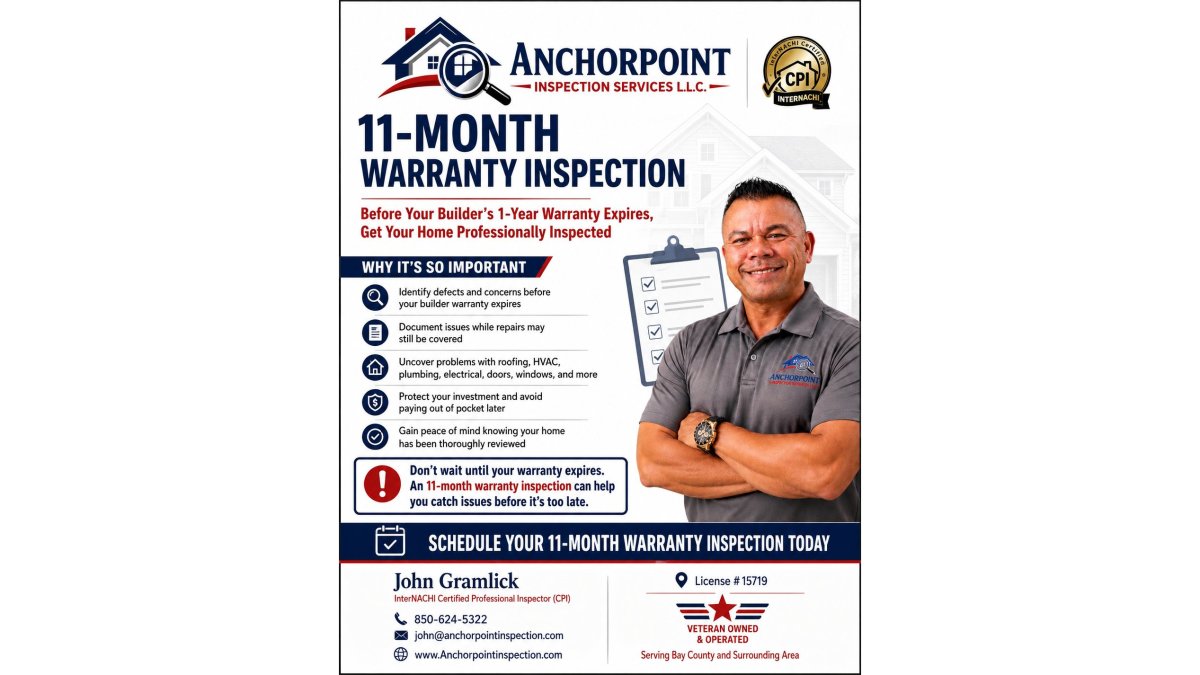
For specific needs, a 4-Point Inspection and Wind Mitigation Inspection address insurance-related inspection requirements in Florida. An 11 Month Warranty inspection can help identify builder defects while there’s time to review them with the builder. These services focus on inspection and documentation, giving you clearer information to consider.
Choose the inspection that matches your property and situation. A comprehensive assessment suits a broad review, while a specialized inspection addresses a narrower purpose. Contact Anchorpoint Inspection Services to discuss the inspection that fits your needs.
Make Your Next Property Decision With Clarity
A home purchase or ownership decision deserves more than a quick impression. Use the inspection information to plan your next conversation, set priorities, and decide which questions need clear answers before moving forward. Protecting your investment with a home inspection means treating the report as a practical reference, not simply a document to file away.
The right inspection depends on your immediate need. Anchorpoint Inspection Services offers a Comprehensive Home Inspection, Wind Mitigation Inspection, and 4-Point Inspection. Each can help you gather property information relevant to your decision, whether you’re assessing a home or addressing a specific inspection need.
Take the next step when you’re ready to discuss your property and the inspection that fits your situation. A calm, informed decision starts with clear information and a useful conversation. Contact Anchorpoint Inspection Services to discuss your inspection needs and move forward with greater confidence.
Frequently Asked Questions
How Do Inspectors Check Interior Walls and Ceilings?
Inspectors visually examine accessible wall and ceiling surfaces for cracks, stains, peeling finishes, uneven areas, or sagging. These observations can point to movement or moisture, but they don’t establish the cause by themselves. The report should identify the affected room and describe what was visible. A ceiling stain, for example, gives a buyer a specific area to ask about without revealing concealed conditions.
How do I choose a qualified home inspector?
Choose an inspector who explains the inspection’s scope, limitations, and findings clearly. In Florida, John Gramlick III is a licensed home inspector and an InterNACHI® Certified Professional Inspector; he has completed “over 120+ hours of formal inspection training.” Buyers in Lynn Haven, Panama City, Panama City Beach, Callaway, Southport, Mexico Beach, Port St. Joe, Santa Rosa, Fort Walton, Niceville, Destin, Pensacola, Gulf Shores, and San Destin can consider these credentials when selecting an inspector.
How can inspection results help negotiate repairs or the purchase price?
Use specific report entries to frame a focused conversation with the seller. If the report documents a damaged roof component, for example, refer to its location and description when discussing a repair, seller credit, or purchase-price adjustment. Keep the discussion tied to documented findings and the purchase agreement. If the report recommends further evaluation, that additional information can help clarify the concern.
What inspections are not included in a standard home inspection?
A standard visual inspection doesn’t involve dismantling building components or examining concealed spaces. Specialized evaluations, such as radon testing, indoor air-quality testing, or a mold inspection, may need to be arranged separately. A pool or another specialized feature may also need its own inspection. Review the report’s scope to distinguish the general home assessment from additional testing or a focused evaluation.
What should I do if the inspection finds serious problems?
First, ask the inspector to explain the finding, its location, and any recommended follow-up. If a specialist evaluation is advised, use its results to understand the issue and repair scope. Then review your purchase terms and discuss documented options with the seller, such as repairs, a concession, or a price adjustment. Clear information helps you weigh the concern against your plans for the property.
Comments