

Home Inspection for First-Time Buyers in Lynn Haven: What to Watch During the Inspection
A home inspection for first-time buyers in Lynn Haven reviews visible parts of the home, including its structure, roof, electrical system, plumbing, and heating and cooling equipment. It can identify potential safety concerns and conditions that may affect maintenance or comfort. It is not a pass-or-fail rating or a decision about whether you should buy.
It’s natural to wonder what the inspector will examine and whether you should attend. Understanding the process can help you follow the findings and decide what questions to ask as you consider the property.
This guide covers commonly inspected systems and structures, how attending can help you understand the home, and what an inspector may observe in electrical panels and wiring. It also explains what may fall outside a standard inspection, so you can understand the report’s scope and when a focused evaluation may be useful.
Table of Contents
What Are Home Inspections?
A home inspection for first-time buyers in Lynn Haven is a visual evaluation of accessible parts of a property. The inspector documents observed conditions, including potential safety concerns and issues that may affect maintenance or comfort. The report describes what was visible during the inspection, not what may be concealed inside walls or underground.
An inspection differs from an appraisal and a seller disclosure. An appraisal estimates a property’s value for a transaction or lender; an inspection describes its visible condition, without assigning value or advising whether to purchase. A seller disclosure records information provided by the seller, while an inspection offers an independent assessment of accessible systems and components.
Inspection duration depends on the home’s size, condition, and complexity. A home inspection may take 90 minutes to four hours, with longer visits possible for complex properties. The inspection is a limited-time visual review, so inaccessible areas and hidden damage may not be identified.
Inspection fees vary according to the property’s size, age, location, and the scope of work. Separate evaluations can affect the total. Ask what the inspection covers and which services are separate, so you can compare the scope rather than the price alone.
In Florida, the inspection period is the deadline specified in the purchase contract. Its length depends on the terms agreed to by the buyer and seller. Schedule promptly to leave time to review the findings before the deadline.
Wind mitigation and four-point inspections can help with Florida home insurance by documenting specific features or major systems that insurers may review. Requirements vary by insurer and property. These reports serve a different purpose from a comprehensive home inspection.
When choosing an inspector in Lynn Haven or Bay County, look for verifiable Florida credentials and a clear written scope. Review a sample report to see whether observations, photos, and recommended follow-up are explained in practical language.
Inspection findings may include roof wear, moisture intrusion, drainage concerns, or visible electrical and plumbing defects. These are examples, not predictions about every Lynn Haven property. Age, maintenance, and recent repairs all shape the findings.
If the inspection identifies a serious concern, review the report and your contract deadlines, then discuss repair requests or a seller concession with your real estate representative. Buyers may use inspection findings in negotiations, and a contract contingency may provide options if major problems arise.
For a Lynn Haven purchase, consider the property’s flood-zone designation, roof condition, and records of past repairs or improvements. A visual inspection can describe observed conditions, but it does not establish flood status or certify that previous work meets building codes.
Attending the inspection
Attending helps connect the inspector’s observations to the rooms and systems in the home. You can see where a concern appears, ask what was examined, and learn why an item may need attention. For example, a note about a bathroom leak is easier to understand when you can see the fixture, nearby flooring, and any visible staining. The inspection is also a chance to learn about the home, not just look for defects.
Before the appointment, coordinate access and timing with your real estate representative. Confirm that the property will be accessible, and ask how the inspector handles questions during the walkthrough. Bring a short list of concerns from the listing or seller disclosures, such as an older roof or a previous plumbing repair. This keeps the discussion focused on the home’s history and the areas you want to understand.
During the inspection, follow the inspector’s route and listen for explanations linked to visible evidence. If a panel label is unclear, ask what it identifies. If a window sticks, ask whether the inspector observed a functional problem or a visible condition that needs follow-up. Take notes, especially when further evaluation is recommended. Not every maintenance item is an urgent defect, so ask how each observation affects function, safety, or upkeep.
Ask questions to clarify the inspection’s scope, not to seek certainty about concealed conditions. A visual inspection cannot reveal every issue behind drywall or inside an inaccessible component. If the inspector cannot operate a system or reach an area, ask how that limitation will appear in the report. Photos and written explanations can help you revisit details later. Reports often arrive on the inspection day or the following day, so note questions while the walkthrough is fresh.
After the inspection, compare the report with your priorities and purchase timeline. Separate immediate safety concerns from routine maintenance, then discuss significant findings with your real estate representative before closing. The report may inform a repair request or seller concession, depending on your contract and negotiations. It does not determine the mortgage decision or require the seller to make repairs. If a finding calls for specialist assessment, use the report to define the concern and decide what further evaluation would help.
Attending does not replace reading the full report, but it can make the terminology and photos easier to understand. Keep the report with your purchase records, along with notes about questions answered onsite and items needing follow-up. This gives you a useful reference as you consider the property, discuss findings, and plan for ownership.
Electrical panels and wiring
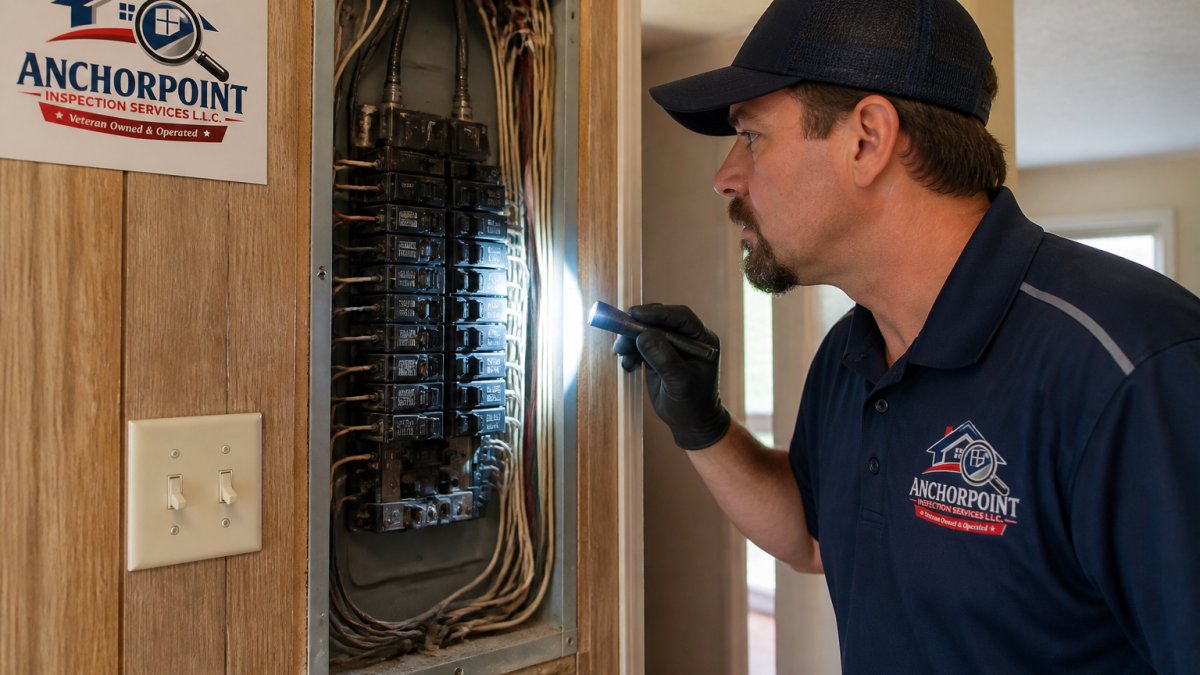
During a home inspection, the electrical panel provides a view of the home’s visible electrical system. The inspector may note its condition, visible wiring, and signs that warrant further evaluation. A panel observation describes what can be seen; it is not a complete test of every circuit or a guarantee that concealed wiring is problem-free. A clean-looking panel exterior, for example, cannot reveal every wire behind walls or ceilings.
Visible concerns may include damaged wiring, exposed conductors, or other apparent issues around electrical components. The inspector records observed conditions and explains them in the report. You can then ask what was accessible, what an observation means, and whether further evaluation is appropriate. A note about exposed wiring, for example, calls for understanding its location and condition, not assuming the entire electrical system has failed.
Age can add context. Homes built in the 1950s may contain outdated or dangerous wiring hidden in ceilings or walls. Because that wiring may not be visible during a standard inspection, a walkthrough cannot establish the condition of every concealed run. If the report identifies clues or limitations, use those details to decide whether additional electrical evaluation would help clarify the concern before purchase.
Consider the panel and visible wiring in the context of the home’s overall condition. An unclear or incomplete panel label, for instance, may leave questions about which areas or equipment its switches serve. An inspector can describe visible details, but a visual review cannot diagnose concealed defects. Note the report’s exact wording and where each concern is located.
When buying, distinguish an observation from a confirmed defect. A report may identify a visible concern and recommend further assessment; that recommendation is not itself a repair diagnosis. Ask the inspector to explain the evidence, the area examined, and any access limits. Then weigh the finding against your priorities and purchase timeline. This helps you focus on documented conditions instead of treating every electrical note as equally urgent.
For Florida insurance, a 4-Point Inspection is a separate report from a comprehensive home inspection. It can address major home systems, including electrical, for insurance purposes. It doesn’t replace a full assessment of the home or reveal wiring concealed inside walls. If electrical findings affect your decision, keep the inspection report and any follow-up information with your purchase records. The written details can support informed discussions about the property before closing.
Items commonly excluded from inspections
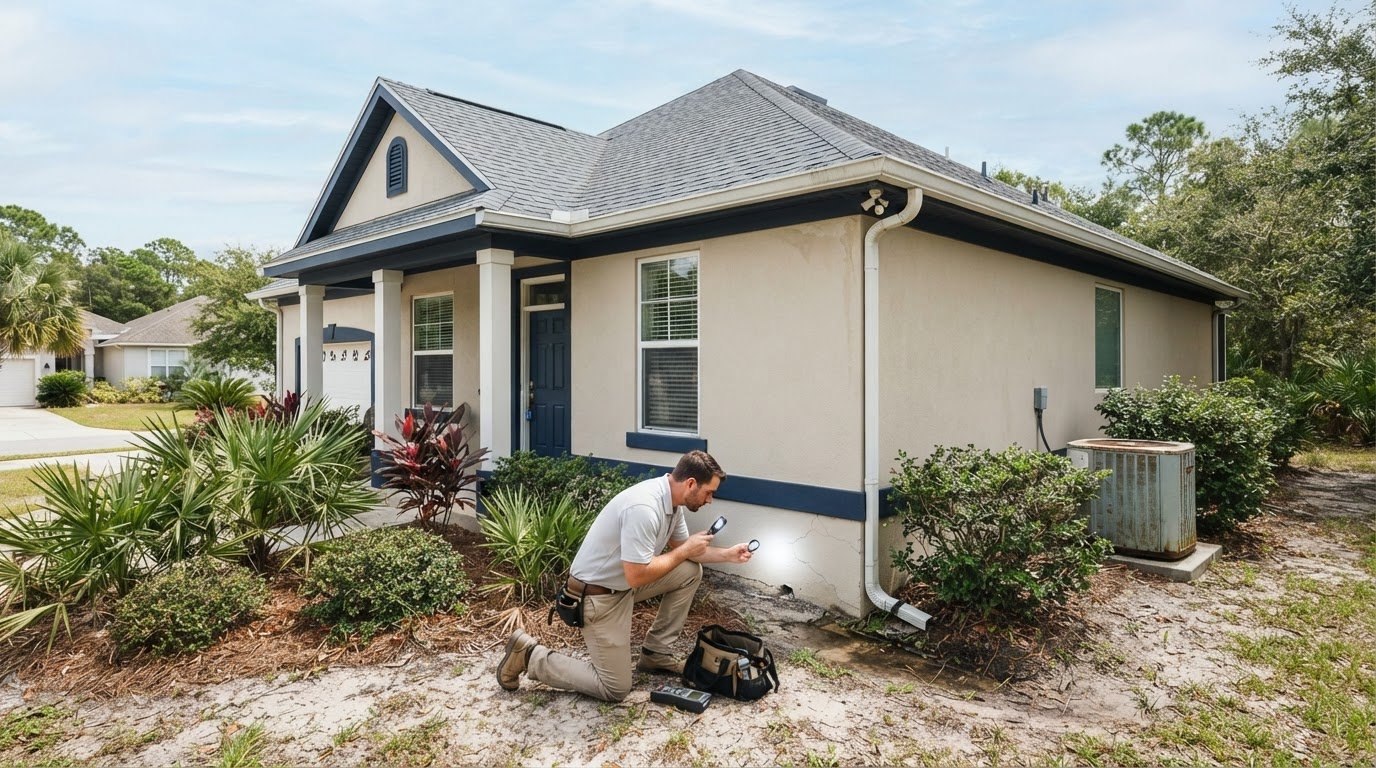
A standard home inspection has a defined scope. It focuses on visible, accessible components and may not reveal concealed damage or assess every specialty system. For example, a slow leak behind drywall may go unnoticed if there is no visible staining. A clean-looking wall does not establish the condition of pipes or framing behind it.
Some areas may be outside a standard report, including underground sewer lines, grading, indoor air quality, pools, landscaping, fireplaces and chimneys, and pest detection. Coverage depends on the inspection scope. A pool’s visible surroundings, for instance, do not establish the condition of its equipment. Anchorpoint Inspection Services offers a separate pool inspection to assess this distinct part of the property.
Roof access varies by inspection. Some inspectors do not climb onto the roof, while others provide a general visual review. Ask how the roof was examined and whether the report notes access limitations. If an older roof raises concerns, its visible surface may not answer questions about past leaks or its remaining condition. Anchorpoint Inspection Services offers roof certifications to assess roof condition and remaining useful life.
For Lynn Haven buyers, additional evaluations can address specific concerns rather than automatically expand a standard inspection. Consider pest detection when there are visible signs or questions about prior activity. A moisture-focused evaluation can help investigate suspected dampness, while an indoor air quality concern calls for a separate assessment. A septic evaluation is relevant if the property uses a septic system, and a roof evaluation can clarify roof-specific questions. These are targeted inspections, not a universal checklist for every purchase.
An appraisal serves a different purpose: it estimates value but does not replace a sewer-line review, pest assessment, or focused evaluation of suspected hidden moisture. If you discuss repairs after an inspection, connect each request to a specific finding. A visible stain, for example, may prompt questions about its history, while a suspected underground sewer issue calls for an assessment of that line. Clear evidence keeps repair discussions focused.
Before the inspection, ask what the report includes and what falls outside its scope. During the review, note inaccessible areas and recommendations for further evaluation. Compare those notes with seller disclosures and available repair records. If the report flags a potential issue, identify what an additional inspection could reveal, who needs access, and whether the timing fits your purchase contract. This turns an exclusion into a practical follow-up plan without treating every unexamined component as defective.
Systems and structures inspected
A home inspection reviews visible, accessible parts of the property, from operating systems to structural components. Knowing what these categories include helps you connect findings to the home’s condition and your real estate decisions.
Home Systems
Home systems are the equipment and utilities that support daily use, including electrical, plumbing, heating, and cooling. Their visible condition matters: a leak, damaged component, or system that does not operate as expected can affect maintenance and comfort. The inspector records observable concerns and limitations, giving you a clear basis for follow-up questions.
For example, a plumbing observation may concern a visible fixture or supply line, while an HVAC note may describe whether accessible equipment operated during the inspection. The report is not a full technical diagnosis of every component. Use specific observations to identify which system needs attention and whether further evaluation could answer an important question.
Electrical components and visible wiring
Plumbing fixtures and accessible piping
Heating and cooling equipment
Safety devices and visible operation
Systems affect how you use the home. A bathroom leak, for instance, may affect nearby finishes, while a heating or cooling concern can shape maintenance plans. Read each finding alongside its location and explanation rather than treating a system label as a complete diagnosis.
Home Structures
Home structures are the physical components that form and enclose the property, including the foundation, floors, walls, roof, and exterior. Their condition helps explain how the home stands, sheds water, and separates indoor spaces from the weather. Visible movement, damage, or deterioration may warrant closer attention, especially when the report ties an observation to a specific area.
An inspector may review accessible parts of the attic, basement, or crawl space, as well as interior rooms and exterior surfaces. Access affects what can be observed. A blocked crawl-space entrance or inaccessible roof area limits the inspection, so pay attention to the report’s notes about visibility when interpreting its findings.
Foundation, floors, walls, and ceilings
Roof and exterior surfaces
Attic, basement, and crawl space
Kitchen, bathrooms, and interior rooms
Consider how separate observations relate. A roof concern alongside interior staining, for example, can guide questions about water entry, but visible evidence alone does not establish hidden damage. Keep the location, description, and recommended follow-up together as you assess the property and discuss next steps.
For a closer review of a home’s visible systems and structures, arrange a comprehensive home inspection.
A home inspection checklist covers the home's structure and foundation, exterior, roof, attic, basement and crawl space, interior, kitchen, bathrooms, electrical system, heating and cooling, plumbing, and safety devices.
Anchorpoint Inspection Services: Comprehensive Home Inspection
Anchorpoint Inspection Services provides a Comprehensive Home Inspection to help buyers understand a property’s visible condition before purchase. The findings can give you a clearer basis for reviewing concerns, planning maintenance, and discussing next steps. If Florida insurance documentation is part of your planning, a Wind Mitigation Inspection or 4-Point Inspection may address that separate need. Buyers nearing the end of a builder’s warranty period can use an 11 Month Warranty inspection to identify potential builder defects. Each inspection serves a different purpose, so choose the service that fits your property and decision. For a clearer view of a home before moving forward, contact Anchorpoint Inspection Services.
Make Your Next Move With Clarity
Your inspection report can be more than a checkpoint before purchase. Keep it with your notes as a practical reference for maintenance planning, follow-up, and understanding the home as you settle in. For first-time buyers in Lynn Haven, that record can help turn early questions into informed decisions about caring for the property.
Anchorpoint Inspection Services offers a Comprehensive Home Inspection, Wind Mitigation Inspection, and 4-Point Inspection. The right service depends on the question you need answered, whether you’re assessing the home’s condition or preparing relevant insurance documentation.
Ready to discuss an inspection for your purchase? Contact Anchorpoint Inspection Services to take the next step with a clearer view of the property and your priorities.
Frequently Asked Questions
Why Have a House Inspected?
A home inspection helps you make a more informed purchase by identifying visible concerns before you take ownership. It can also help distinguish immediate follow-up needs from routine maintenance. For example, a report noting a loose stair railing gives you a specific item to discuss, while a maintenance note can inform future home-care plans. Use the findings to guide questions and decisions, not as an automatic reason to proceed or withdraw.
What does a home inspection cover for first-time buyers in Lynn Haven, Florida?
A home inspection typically reviews accessible structure, roof, electrical, plumbing, heating and cooling, interior areas, and safety devices. Findings depend on what the inspector can see and access. Anchorpoint Inspection Services serves buyers in Lynn Haven and nearby Panama City, Panama City Beach, Callaway, Southport, Mexico Beach, Port St. Joe, Santa Rosa, Fort Walton, Niceville, Destin, Pensacola, Gulf Shores, and San Destin. Review the written scope to understand what the inspection covers.
How much does a home inspection cost in Lynn Haven, FL?
The fee depends on the property and inspection scope. Factors include the home’s size, age, location, and complexity, as well as any separate evaluations requested. A larger property or one with more systems may call for a different scope than a smaller home. Compare what each inspection includes rather than treating price alone as a measure of coverage.
When should first-time buyers schedule a home inspection in Florida?
Schedule the inspection in the weeks leading up to closing, leaving time to review the report and follow up on concerns. Your purchase contract’s inspection deadline is the key scheduling constraint, so arrange access promptly once the agreement is underway. Early scheduling can leave more time to consider any additional evaluation before closing decisions are due.
Can Florida first-time homebuyers attend the inspection, and what questions should they ask?
Yes. Buyers can attend to see observations in context and ask the inspector to explain them. Ask which areas were inaccessible, what evidence supports a concern, and whether an item calls for maintenance or further evaluation. If a room has a water stain, for example, ask what was visible and what the report recommends. Take notes, then compare them with the written report after the walkthrough.
Comments