

How Long Does a Home Inspection Take in Florida? 2026 Guide
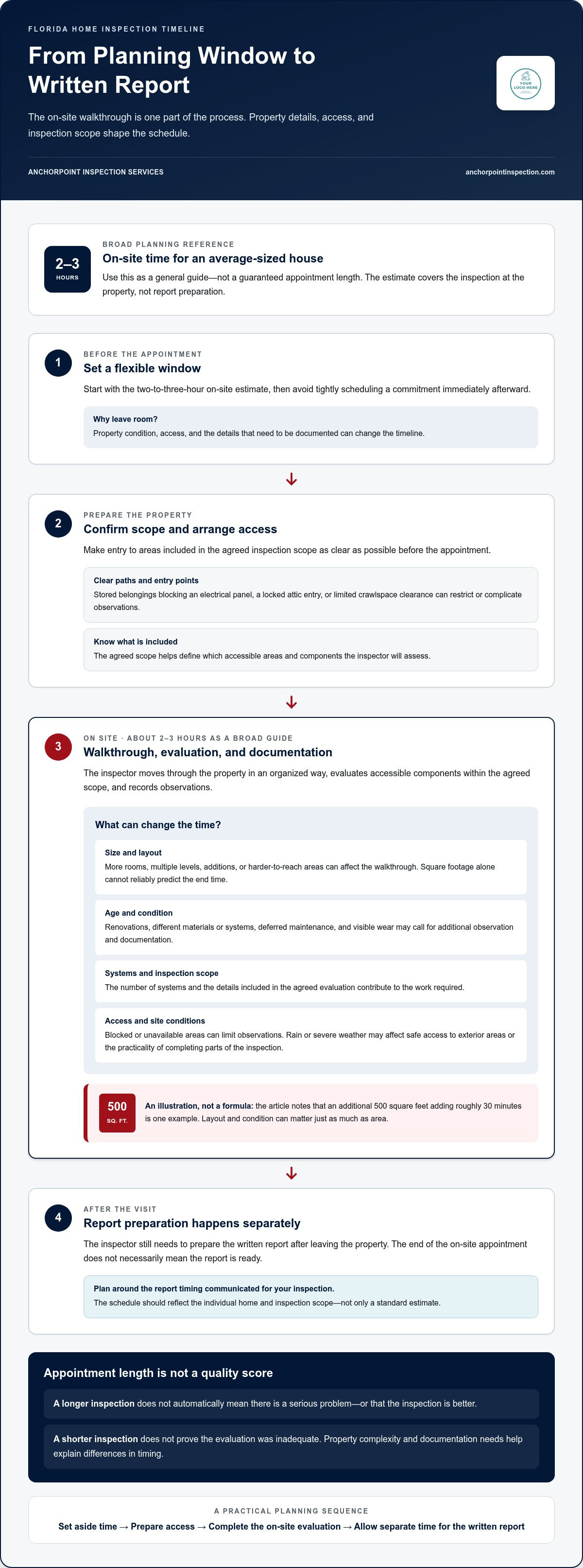
Two homes with nearly identical square footage can take very different amounts of time to inspect. So, how long does a home inspection take in Florida? For an average-sized house, plan on about two to three hours on site as a general guide. The property’s condition, access, and the details the inspector needs to document can change the timeline.
It makes sense to want a firm end time, especially when you’re coordinating work, travel, or closing plans. The inspection itself is only part of the process: reviewing findings and preparing the written report take additional time. A longer appointment doesn’t automatically mean there’s a serious problem. It may reflect a larger or more complex property, limited access to certain areas, or the time needed to evaluate its systems.
This guide explains what to expect on inspection day, which property and scheduling factors can extend the walkthrough, and how on-site time differs from report preparation. Whether you’re buying in Lynn Haven, Panama City, Panama City Beach, Callaway, Southport, Mexico Beach, Port St. Joe, Santa Rosa, Fort Walton, Niceville, Destin, Pensacola, Gulf Shores, or San Destin, understanding the timeline can help you set aside enough time without rushing an important evaluation.
Table of Contents
How long does a home inspection take in Florida? A realistic planning range
As a broad planning reference, set aside about two to three hours for the on-site portion of a home inspection. This is a general estimate, not a promise that every appointment will fit the same window. If you’re asking how long a home inspection takes in Florida, the practical answer is that the property, its condition, access, and the agreed inspection scope all influence the schedule.
That range can help you block out time, but it can’t tell you how complete or useful an inspection is. A short appointment isn’t automatically inadequate, and a long one isn’t automatically more thorough. The inspector needs enough time to evaluate accessible areas within the agreed scope, note relevant conditions, and document observations clearly. Appointment length is one detail, not a quality score.
What does a typical Florida home inspection timeline include?
The on-site appointment is only one part of the timeline. During the visit, the inspector moves through the property in an organized way, assessing components included in the agreed scope and recording observations. A Home inspection is generally intended to give a buyer information about a property’s condition, rather than provide a quick walk-through or a guarantee about its future performance.
After leaving the property, the inspector still needs to prepare the written report. Report preparation is separate from the time you spend at the home, so the appointment’s end doesn’t necessarily mean the report is ready. Plan around the on-site window and the report-delivery timing communicated for your inspection. The schedule should reflect the individual home and inspection scope, not just a standard estimate.
Why there is no single guaranteed inspection duration
Consider two houses with similar square footage. One may be regularly maintained, with clear access to its systems and components. The other may have deferred maintenance, visible wear, or stored belongings that limit access to parts of the property. The second home may require more time for observation and documentation, even though its size is similar.
Layout matters, too. A home with multiple levels, additions, or harder-to-reach areas may take a different amount of time to assess than one with a straightforward layout. Age and condition can also affect what the inspector needs to examine and record. These factors work together, so square footage alone can’t reliably predict the appointment’s end time.
Access affects what can be evaluated. If a room, panel, attic entry, or other area is blocked or unavailable, the inspector may not be able to assess the components there in the usual way. That doesn’t mean the entire inspection stops, but it can limit observations in that area and should be documented. Preparing the property for access helps make the appointment more productive.
Use the two-to-three-hour estimate to begin planning, then leave some flexibility instead of scheduling a tight commitment immediately afterward. A realistic window gives the inspector room to work carefully and gives you time to discuss what the on-site evaluation covered.
What makes a Florida home inspection take longer?
Inspection time reflects more than square footage. Layout, age, condition, the number of systems, access to key areas, and the scope of the evaluation can all affect the walkthrough. In Florida, outdoor conditions may also influence when parts of an inspection can be completed. These factors can overlap, so no single feature gives a reliable appointment-length calculation.
How size, age, and condition change the walkthrough
A larger home may have more rooms and components to assess, but size alone doesn’t tell the whole story. An additional 500 square feet adding roughly 30 minutes is one illustration, not a formula. A home’s layout and condition can matter just as much as its area.
Age can bring additional context, especially if a house has been renovated, expanded, or altered over time. Different sections may have different materials or systems, and the inspector may need to observe and document those details. Still, an older home that has been maintained and is easy to access may require a different walkthrough from a newer home with deferred maintenance or a complicated layout. Age and condition aren’t interchangeable.
Deferred maintenance may call for closer observation of visible wear or concerns across related components. That can mean more time spent recording what is present and where it was observed. The goal isn’t to extend the appointment for its own sake. It’s to make the evaluation and documentation clear within the inspection’s scope.
How access and Florida conditions affect timing
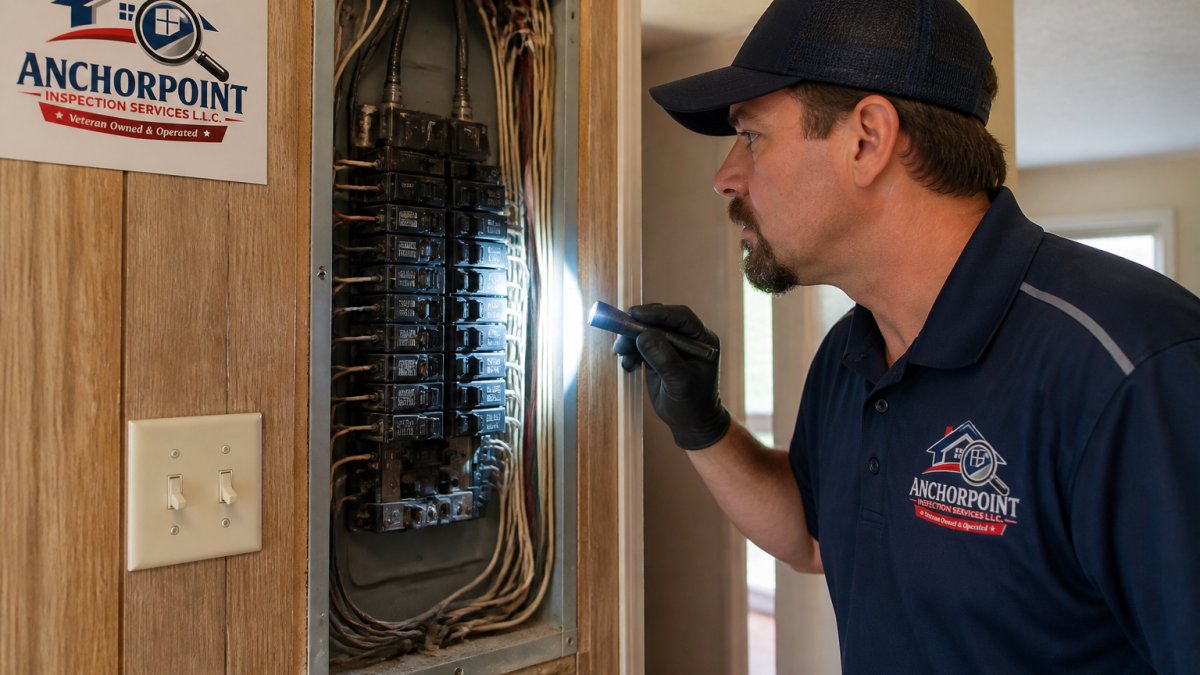
Access helps the inspector evaluate the areas included in the inspection. Stored items blocking an electrical panel, a locked attic entry, or limited clearance in a crawlspace can prevent or complicate observations. If access is restricted, the inspector may need to note the limitation, and an area may not be evaluated as it otherwise could be. Clearing paths and arranging entry before the appointment can reduce avoidable obstacles.
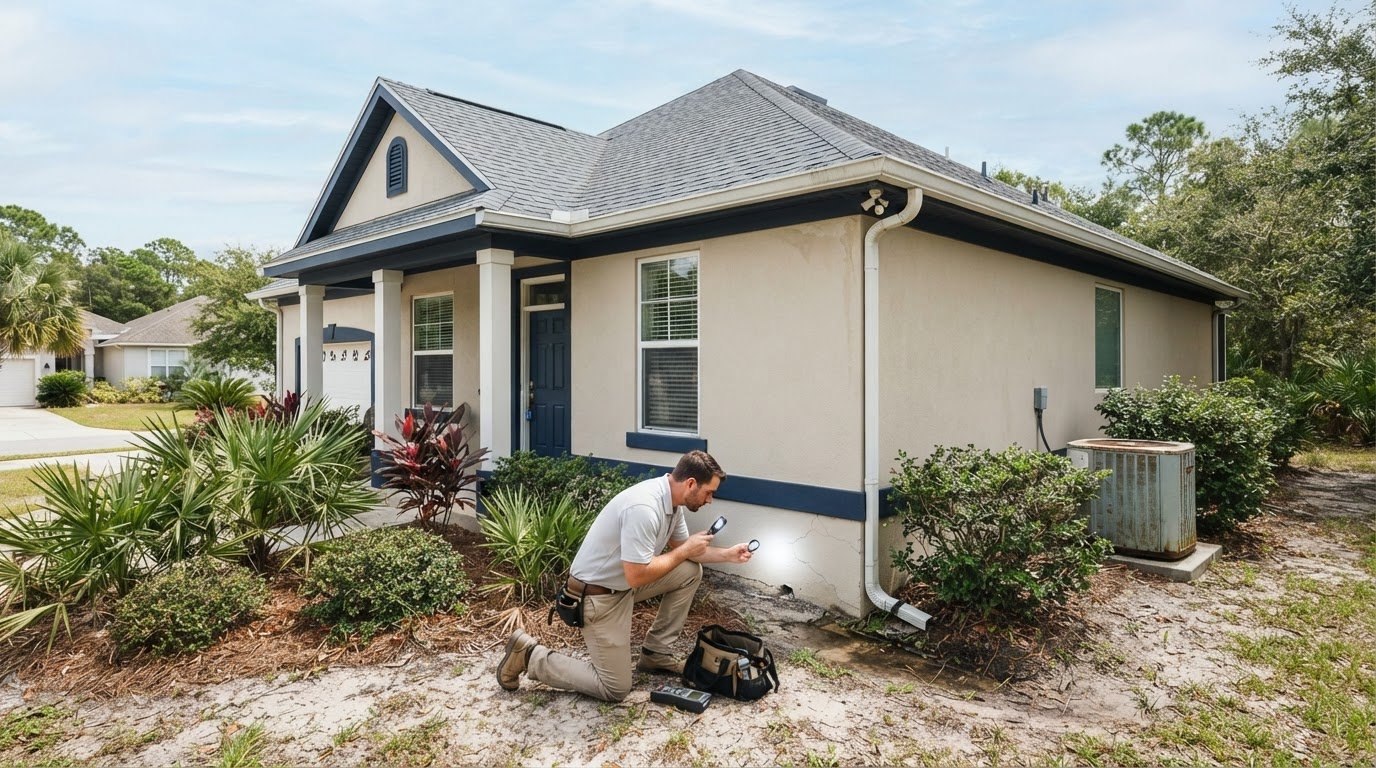
Weather and site conditions can matter, too. Rain or severe weather may affect safe access to exterior areas or the practicality of observing certain components outdoors. That doesn’t mean every rainy day delays an inspection. Weather is one consideration in planning and carrying out the work, along with conditions at the property.
In the communities Anchorpoint serves, from Lynn Haven and Panama City to Panama City Beach, Callaway, Southport, Mexico Beach, Port St. Joe, Santa Rosa, Fort Walton, Niceville, Destin, Pensacola, Gulf Shores, and San Destin, property-specific access and outdoor conditions are more useful scheduling considerations than a fixed time rule. For a comprehensive home inspection, making accessible spaces ready and allowing flexibility can support a smoother walkthrough. The property’s size, layout, maintenance history, and inspection scope together shape the time needed.
Does a longer home inspection mean a better inspection?
No. A longer appointment isn’t automatically a better inspection, and a shorter one isn’t proof of poor work. Time on site depends on the home’s complexity, the agreed scope, which areas are accessible, and how much observation and documentation the property calls for. A straightforward home with clear access may take less time than one with additions, multiple systems, or visible maintenance concerns. Neither duration alone tells you whether the evaluation was complete.
An inspection is a visual evaluation of readily accessible areas within its agreed scope. It isn’t an exhaustive teardown of the building. Inspectors generally don’t open walls or dismantle components to examine concealed conditions, so even a thorough evaluation has limits. The practical measure is whether the inspector assesses applicable, accessible components carefully and communicates observations and access limitations, not whether the visit lasts longer than expected.
Does the inspector examine every room and system?
The inspector follows the inspection’s defined scope and applicable standards, assessing accessible areas and visible components that fall within it. That differs from examining every surface or uncovering hidden conditions. For example, a visible plumbing fixture can be observed, but the inspection doesn’t involve opening a wall to trace concealed piping. Furniture, stored belongings, locked areas, and other obstacles may also restrict access.
If an area or component can’t be accessed, that limitation matters because it can affect what the inspector is able to observe and document. A longer appointment can’t make concealed or blocked conditions visible. Keeping access paths clear helps the inspector evaluate the included areas more effectively, while the report can explain when access was restricted.
How to interpret the inspection report afterward
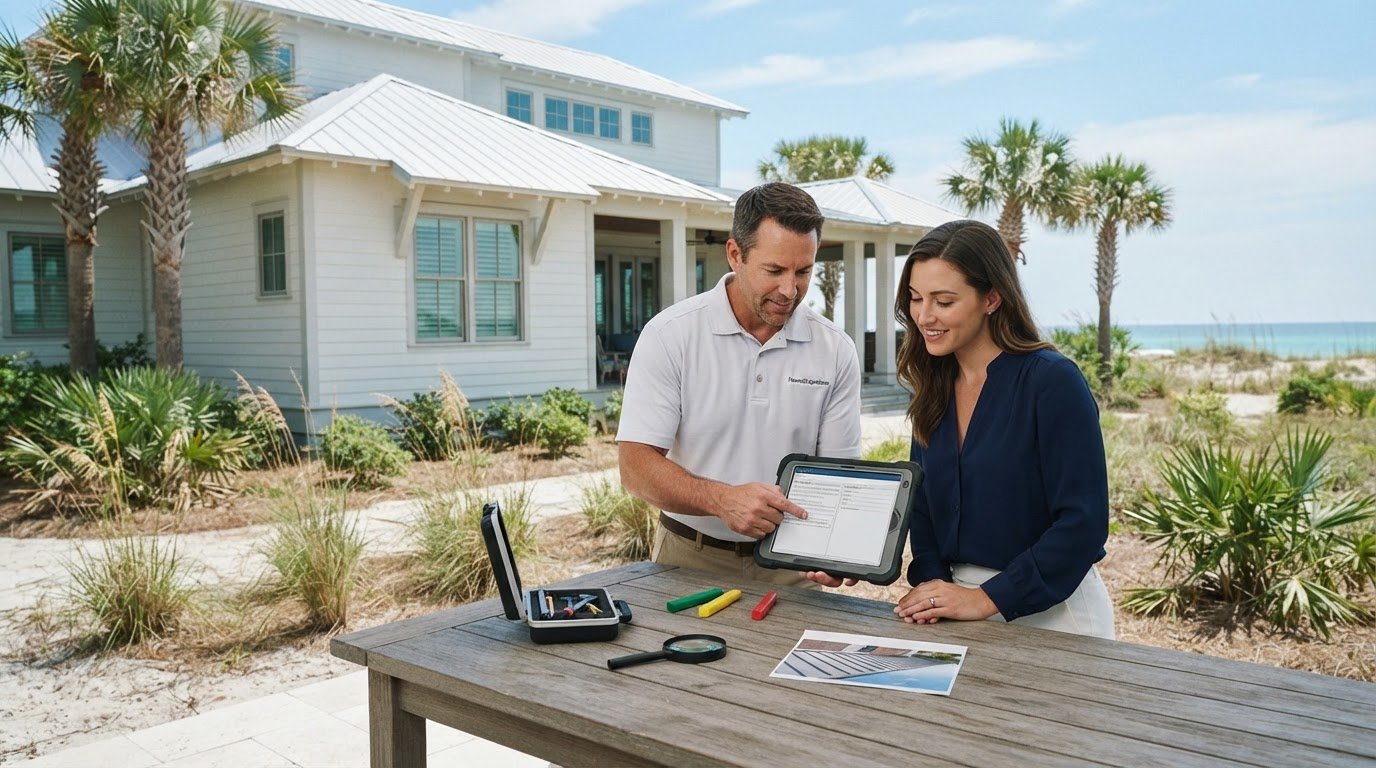
The on-site appointment and the report are related, but they’re separate parts of the process. During the visit, the inspector observes and records conditions. Afterward, the written report organizes those observations so you can understand what was noted and consider appropriate next steps. Report preparation takes place beyond the time spent at the property, and delivery timing can’t be inferred from the length of the walkthrough.
As you review the report, focus on the description of each observation, its location, and any context or recommended follow-up provided. A detailed report can be useful without implying that the home is in unusually poor condition. It documents what the inspection found within its scope. If you want help understanding how report sections fit together, this home inspection report guide explains how to read the results.
So, how long does a home inspection take in Florida? Understand the appointment length alongside its scope and findings, not as a score. A careful evaluation may be concise or take longer, depending on the property and what the inspector can access. Use the report, rather than the clock, to understand what was observed, what could not be assessed, and what questions may need further attention.
How to plan your Florida home inspection appointment
A little preparation can make inspection day easier to coordinate. Confirm what the appointment covers, allow a flexible window, and make sure the inspector can reach relevant areas. If you’re asking how long a home inspection takes in Florida, remember that planning is easier when you account for the property’s access and scope, not just the time you expect to be there.
Confirm the details and scope. Check the property address, appointment details, and which inspection is being performed. A comprehensive home inspection and an insurance-related inspection have different purposes, so be clear about what’s scheduled.
Leave room in your calendar. Avoid tightly packed commitments immediately afterward. A flexible window helps if access or property conditions require more coordination than expected.
Arrange access in advance. Plan how the inspector will enter and reach relevant spaces, including locked or otherwise restricted areas. Clear pathways to visible systems where possible.
What to arrange before inspection day
For an occupied home, coordinate entry with the people who live there and consider how pets, belongings, or closed-off rooms could affect access. For a vacant property, make sure entry arrangements are clear and relevant spaces aren’t locked or blocked. If you plan to attend, set aside time to listen and ask questions. Attending can be useful, but it isn’t required.
Access is especially helpful for areas such as the attic entry, electrical panel, or other locations the inspector needs to observe within the agreed scope. You don’t need to rearrange the entire home. Focus on practical steps that make entry possible and reduce interruptions. If a space can’t be accessed, that may limit what can be observed there, so resolving avoidable barriers ahead of time can help the walkthrough proceed smoothly.
How insurance inspections differ from a comprehensive home inspection
A 4-point inspection and a wind mitigation inspection are separate from a comprehensive home inspection. Each has a distinct purpose and scope, so plan for the specific inspection being performed. If more than one inspection is scheduled, don’t assume their durations can be added together into a guaranteed total. The property, access, and scope all matter.
Insurance-related inspections may be connected to an insurer’s documentation needs, while a comprehensive inspection evaluates a broader range of the home’s accessible components. For background on how these inspections differ and the report context, see the Florida home insurance inspection guide.
For a home in Lynn Haven, Panama City, Panama City Beach, or nearby communities, clear access and a flexible schedule are practical ways to prepare. To arrange an appointment tailored to your property and inspection scope, schedule a comprehensive home inspection with Anchorpoint.
Book a home inspection with Anchorpoint in Bay County
Inspection timing depends on the home in front of the inspector. Size is one consideration, alongside the property’s condition, layout, systems, access, and the scope of the evaluation. That’s why the most useful appointment window is based on the specific property, not a fixed duration applied to every home. If you’re still asking how long a home inspection takes in Florida, use a general estimate as a starting point and leave room for the details of your home.
What Anchorpoint inspects across the Bay County area
Anchorpoint Inspection Services provides comprehensive home inspections in Lynn Haven, Panama City, Panama City Beach, and surrounding communities, including Callaway, Southport, Mexico Beach, Port St. Joe, Santa Rosa, Fort Walton, Niceville, Destin, Pensacola, Gulf Shores, and San Destin. The inspection scope is considered in relation to the property, since homes can differ in layout, systems, condition, and accessible areas. A home with additions or several distinct living spaces, for example, presents a different walkthrough from a simpler layout, even if both are in the same community.
A comprehensive inspection is intended to give you a clearer understanding of the home’s observed condition within its scope. It isn’t a promise that every concealed area can be evaluated or that every property follows an identical appointment schedule. Sharing relevant information about the home and arranging access to areas that need to be observed can help the appointment stay focused on the property itself.
Choose the right inspection scope and schedule
A comprehensive home inspection and insurance-related inspections serve different purposes. Anchorpoint also performs separate 4-point inspections and wind mitigation inspections. These aren’t interchangeable with a comprehensive evaluation, so identify which inspection you need when arranging the appointment. If you need more than one, treat each as a distinct scope rather than assuming the visit will take one standard, combined amount of time.
Before scheduling, consider what the inspection is for and whether the property’s condition or access needs special coordination. Then allow a flexible window in your calendar. Avoid placing work calls, travel, or other fixed commitments immediately after the appointment, so you’re not pressured to rush the evaluation or leave before you’ve had a chance to discuss observations.
Whether you’re buying in Lynn Haven, Panama City, Panama City Beach, or a nearby community, clear access and a property-specific scope help set practical expectations. Anchorpoint’s comprehensive residential inspections are planned around the home being evaluated, rather than a guaranteed appointment length. Schedule flexibility makes room for the inspector to carry out the agreed evaluation thoughtfully.
Ready to plan an inspection for your property? Schedule a comprehensive home inspection with Anchorpoint, and allow a flexible appointment window that suits the home’s scope and access.
Make your next step a well-planned one
Knowing how long a home inspection takes in Florida can help you plan, but the appointment is also a chance to make a more informed decision about the property. Set aside a flexible window, think about questions you want answered, and give the inspection room to follow the home’s needs rather than a rushed schedule.
Anchorpoint Inspection Services is owned and operated by Florida-licensed home inspector John R. Gramlick III, serving buyers and homeowners in Lynn Haven, Panama City, and surrounding communities. That local perspective supports a practical, property-focused approach to understanding what’s observed during your inspection.
You don’t need to have every question resolved before scheduling. Start with the property and the type of inspection you need, then take the next step with a clear plan for the appointment.
Schedule a home inspection with Anchorpoint and move forward with greater confidence in your property decisions.
Frequently Asked Questions
How long does a home inspection usually take in Florida?
A Florida home inspection usually takes about two to three hours on site, but treat that as a planning reference, not a guaranteed finish time. Your appointment may differ. If you’re coordinating with an agent, seller, or work schedule, reserve a flexible block and don’t assume the inspector will finish at a precise hour.
Can a home inspection take longer than three hours?
Yes, an inspection can take longer than three hours if the property needs more observation or coordination. A large or complex layout, visible maintenance concerns, several systems, or restricted access may add time. For example, an inspector might need to note that a locked area couldn’t be evaluated, then continue through the accessible parts of the home. The agreed scope also affects what is covered during the visit.
Does a larger home always take longer to inspect?
No. Square footage can affect the amount of space to assess, but it doesn’t determine the schedule by itself. A compact home with multiple additions, difficult access, or visible condition concerns may require more attention than a larger, straightforward property. Layout matters, too: rooms arranged across several levels can take a different path to evaluate than an open plan. Compare the home’s overall complexity, not just its listed area.
Should I attend the entire home inspection?
No, attending the entire inspection isn’t mandatory. Decide based on your schedule and whether seeing the property with the inspector would help you understand its features. If you can’t stay for the full visit, consider arranging a time to discuss observations afterward. Buyers in Lynn Haven or Panama City, for example, may coordinate attendance with an agent or seller, so clarify entry arrangements before inspection day.
Does the home inspection report come on the same day?
Not necessarily. The on-site evaluation and report preparation are separate tasks, so the inspector may need time after leaving the property to organize observations and complete the written report. Don’t assume the report will arrive before the appointment ends or use the visit’s length to predict delivery. If you’re working toward a transaction deadline, build report review into your planning rather than scheduling decisions around an assumed same-day delivery.
Can rain delay a home inspection in Florida?
Rain can affect parts of an inspection, but it doesn’t automatically delay or cancel the appointment. The impact depends on conditions at the property and whether they affect safe access or observation of exterior areas. For a home in Panama City Beach or elsewhere in the region, weather may be one factor in planning the visit. Keep your schedule flexible and follow any appointment updates if conditions change.
Is a 4-point inspection the same as a full home inspection?
No. A 4-point inspection is a separate, insurance-related inspection with a narrower purpose than a comprehensive home inspection. A comprehensive evaluation considers a broader range of the home’s accessible components, while a 4-point inspection focuses on specific information relevant to insurance documentation. One doesn’t automatically replace the other. Choose the scope that fits your needs, especially if an insurer has requested a particular inspection or report.
Comments